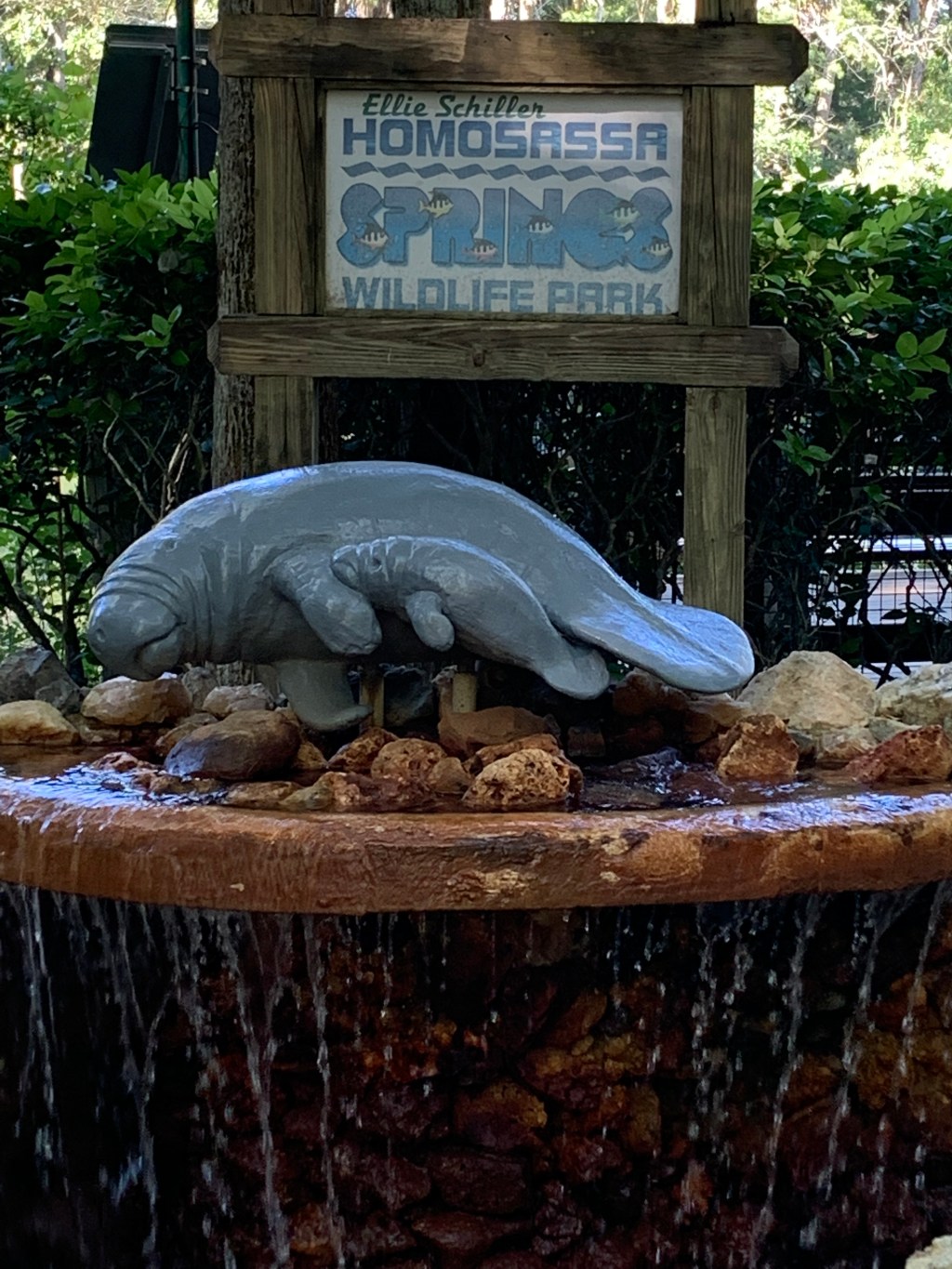
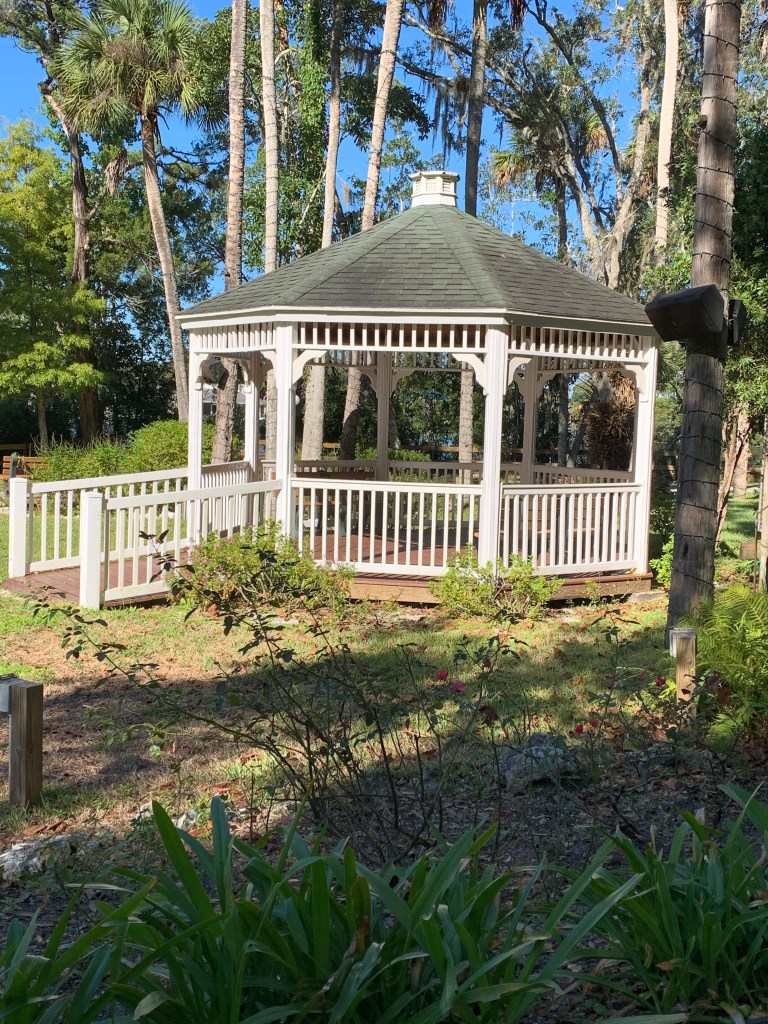
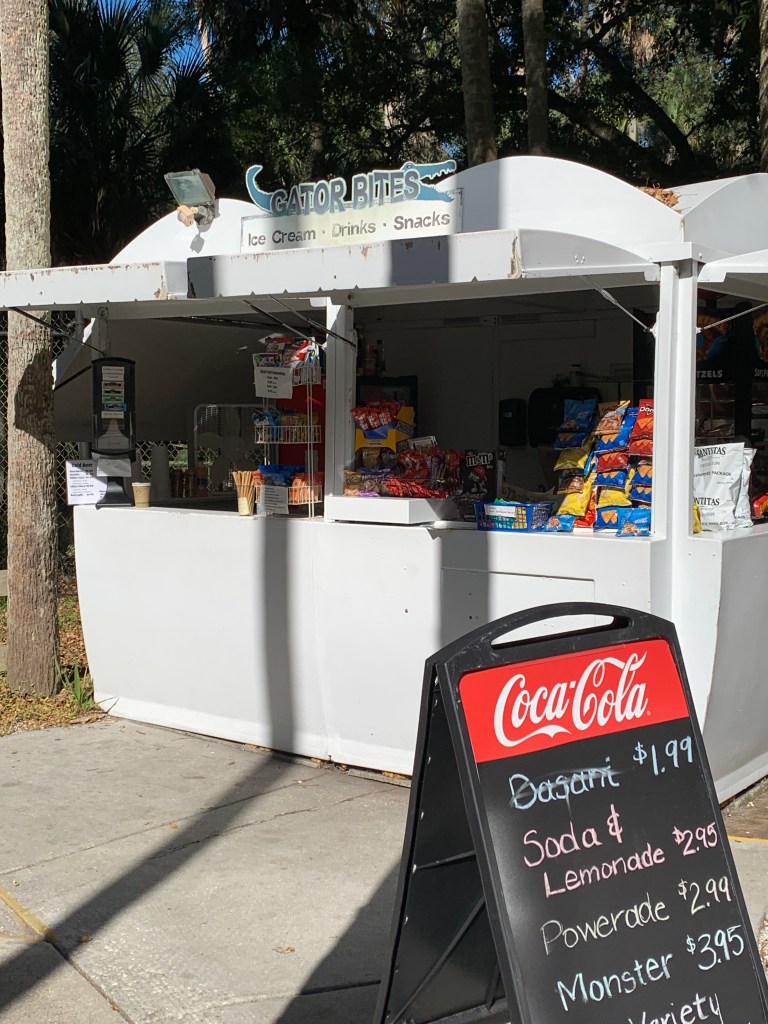
Homosassa Springs Wildlife State Park, one of Florida’s 1,000 springs, is a gem. The entire trail is only about 1.1 miles and an easy walk. I highly recommend it. It’s well kept, has wide sidewalks and boardwalks, great signage, lots of comfy benches if you need to rest, and a couple of places to grab snacks or a drink. The staff is pleasant and helpful and great at pointing out the best places for viewing the manatees. I’ll get to them later.
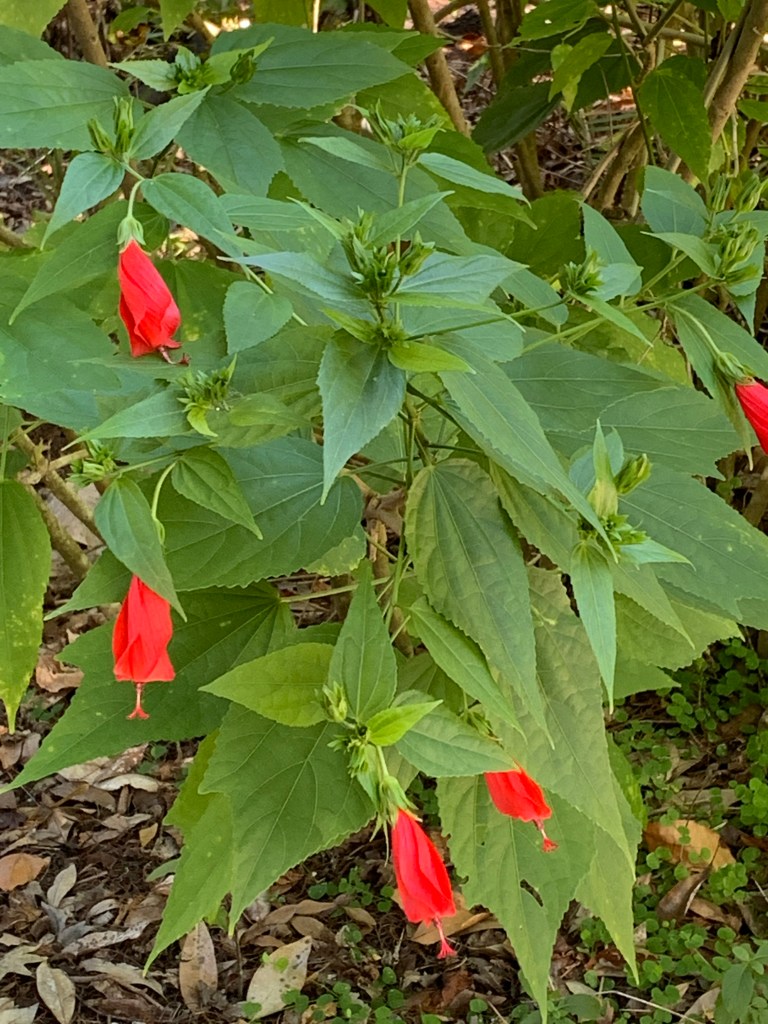
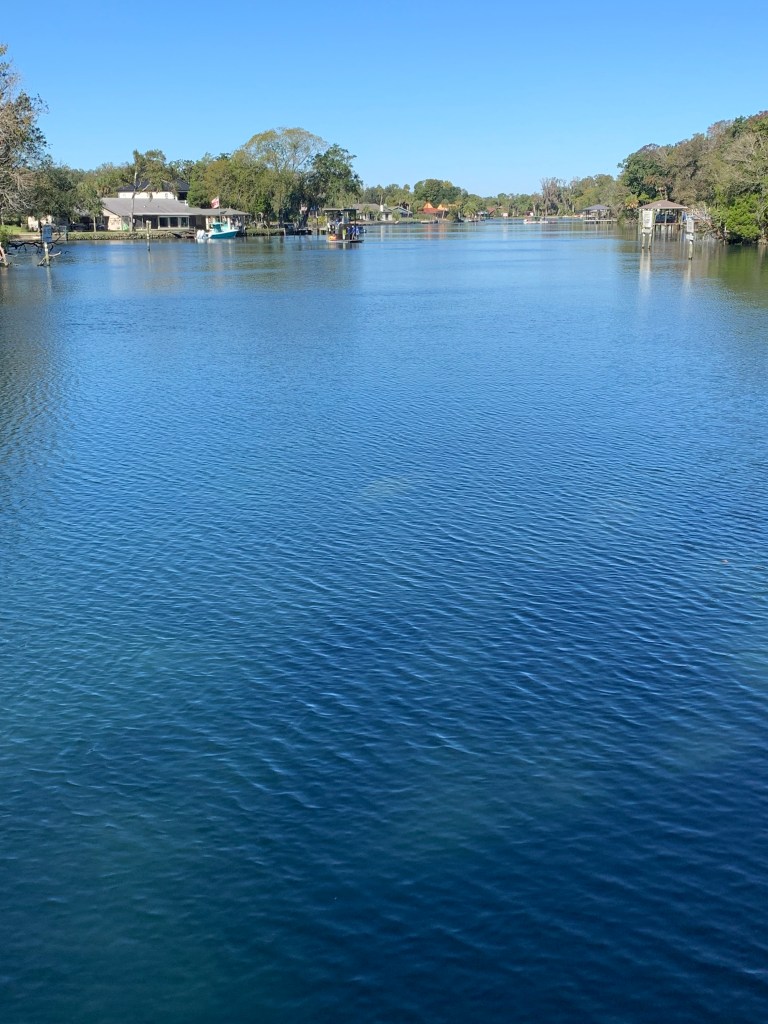
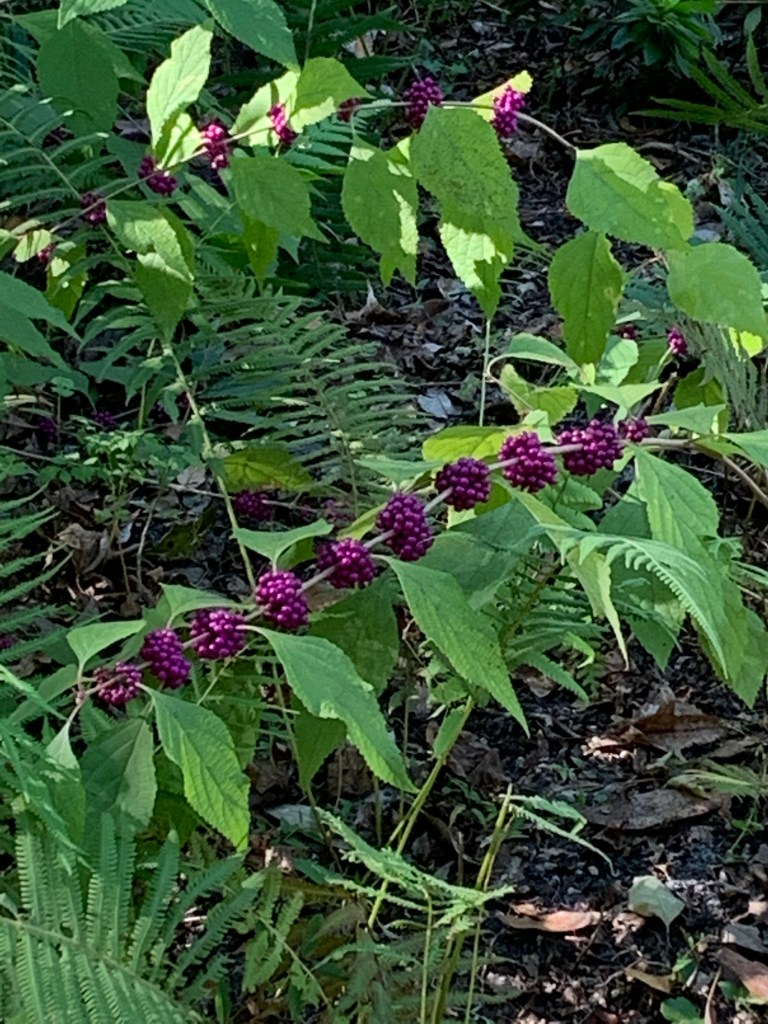
There are lots of trees, so you get a good mixture of sun and shade. I probably could’ve done without my visor and my sunscreen (don’t tell my doctor friend I said that). There are breathtaking water views and colorful berries and flowers – nature at its finest.
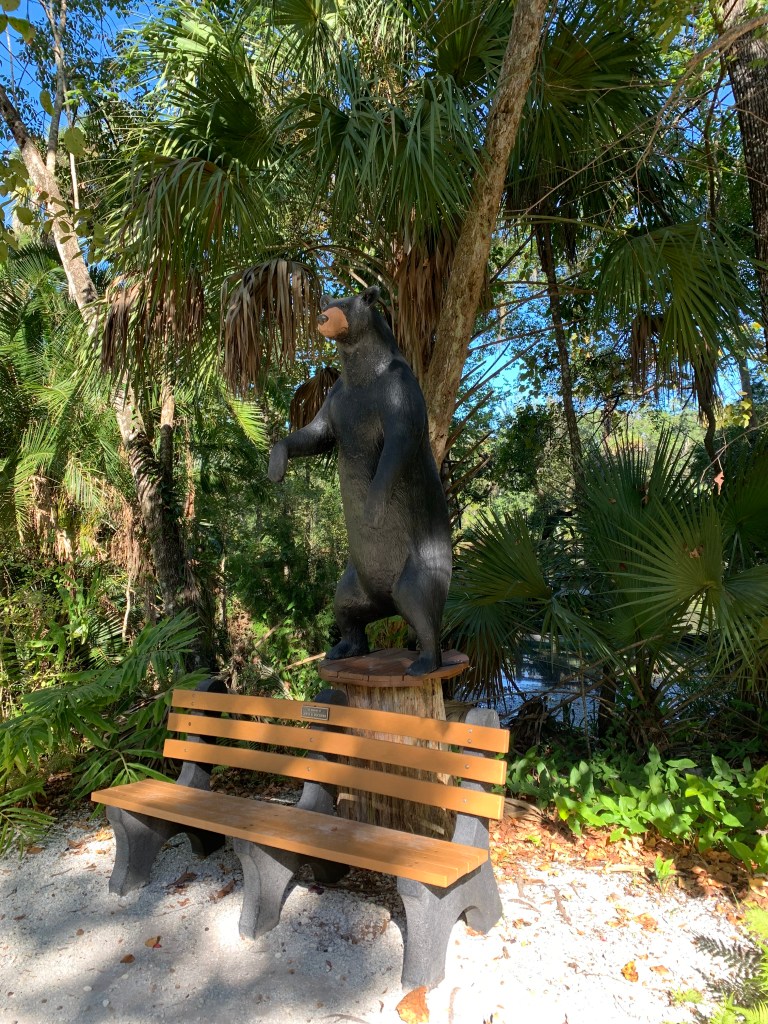



The park has a wide variety of animals, most of which are native to Florida, except of course the hippopotamus (can’t think of the last time I saw one of those on a Florida golf course). There’s a black bear, red wolf, Florida panther, otter, deer, alligator, birds and reptiles. All of this and I only went for the manatees.
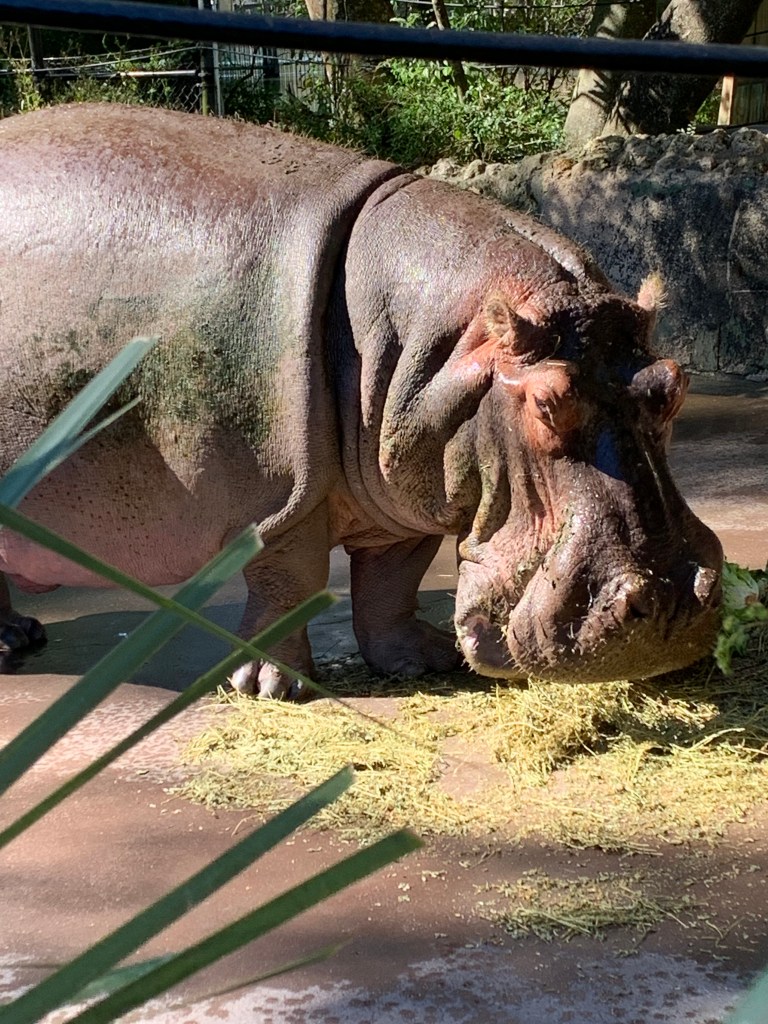
So here’s Lu. Lu was born at the San Diego Zoo in 1960 and has appeared in television shows – Daktari and Cowboys in Africa. It’s a mystery to me how he ended up in Homosassa Springs.
He’s quite impressive up close. Hippos can easily top 4,000 pounds. They are the deadliest land mammal on earth, killing 500 people a year in Africa. Very aggressive, they are known to capsize boats. Those who are unable to swim end up drowning and that accounts for a good percentage of the deaths.
However, I read that hippos can outrun humans. The fastest human, Usain Bolt, was clocked at 23.4 MPH and hippos can get up to 30. So I think they’d just have to run you down and sit on you.
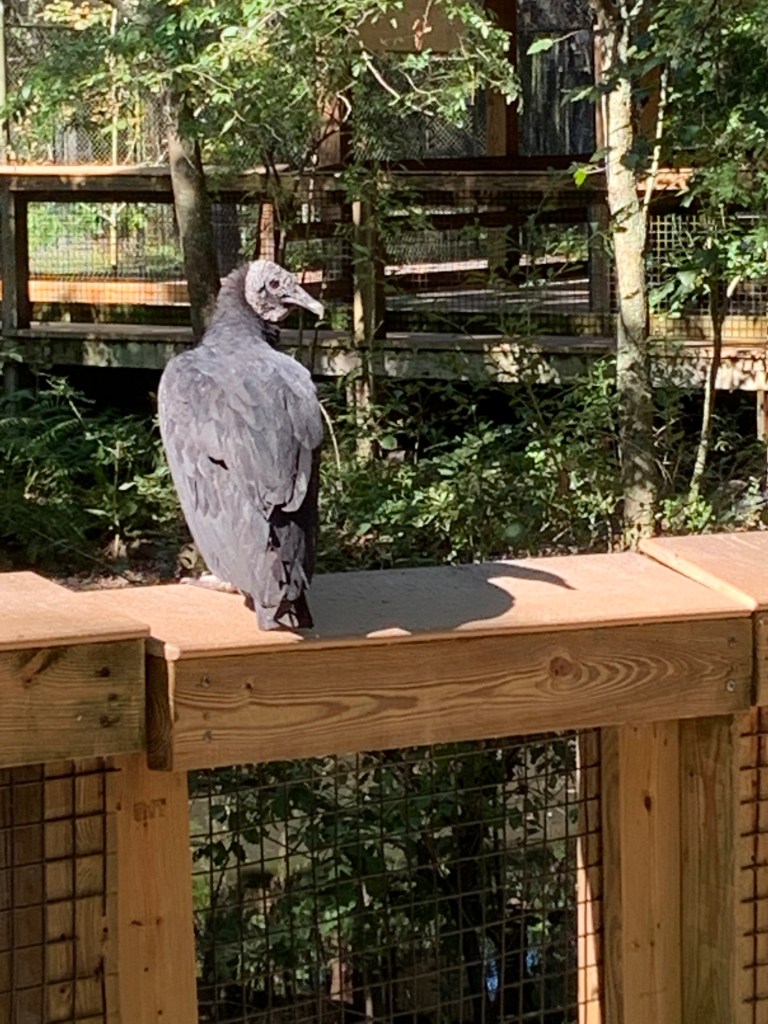
And then there are the birds. I passed by numerous habitats where all manner of big and little birds lived. Like many at the Seaside Seabird Sanctuary, they live at the habitat because they have permanent injuries that prevent them from being able to survive in the wild.
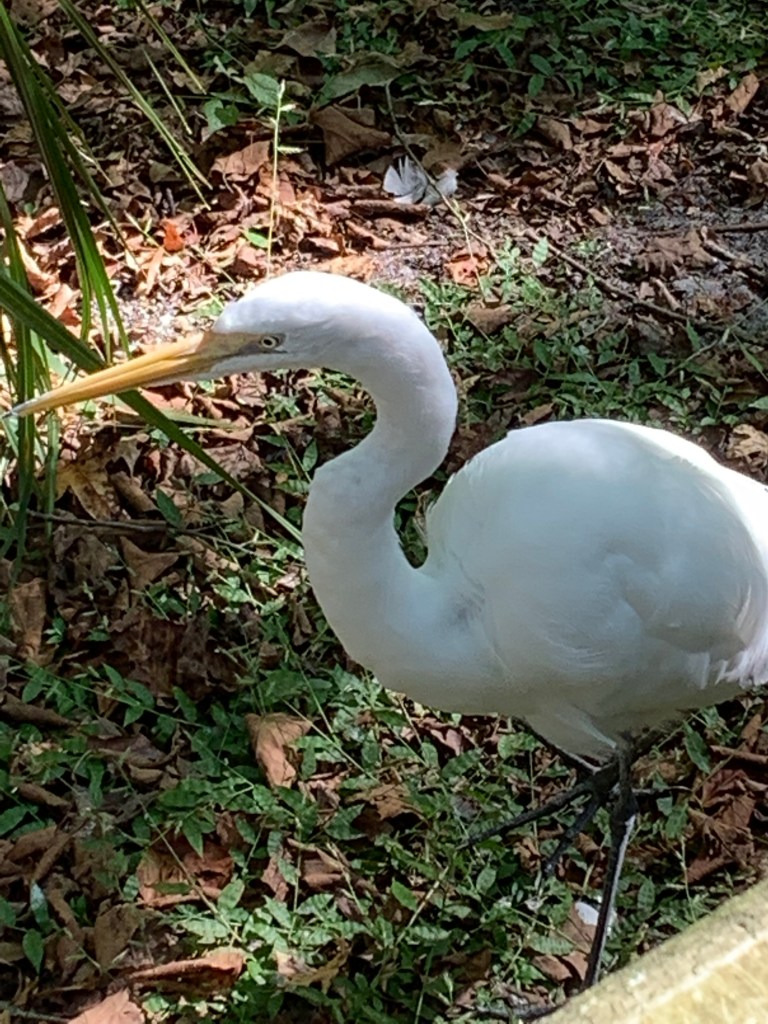
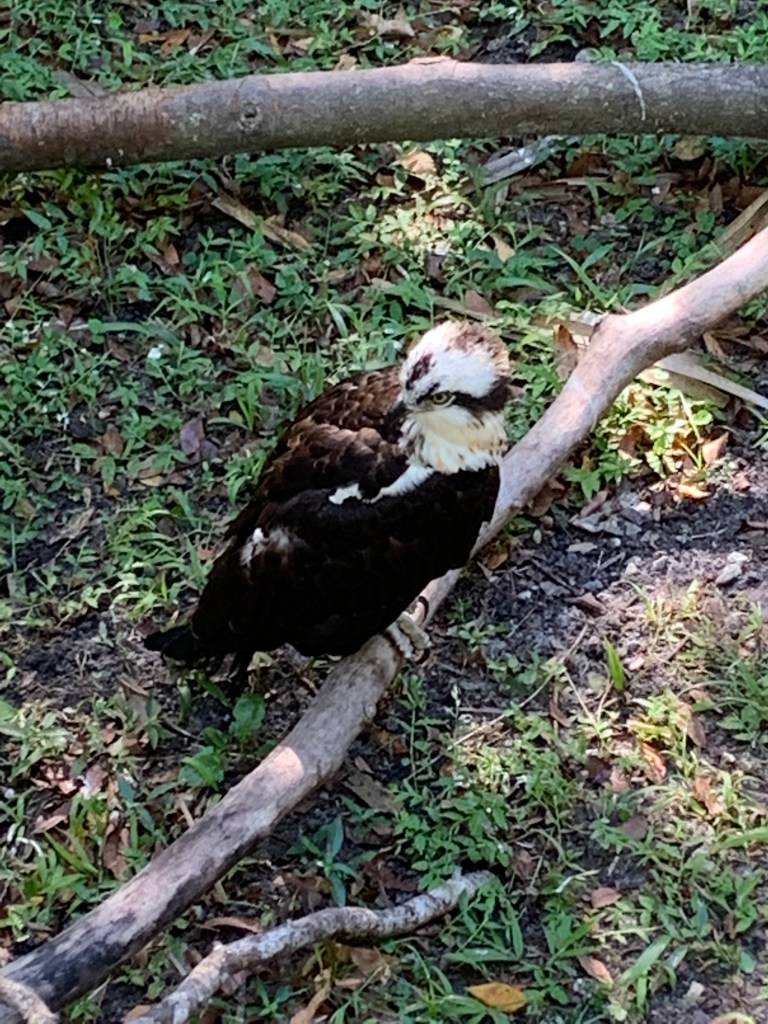
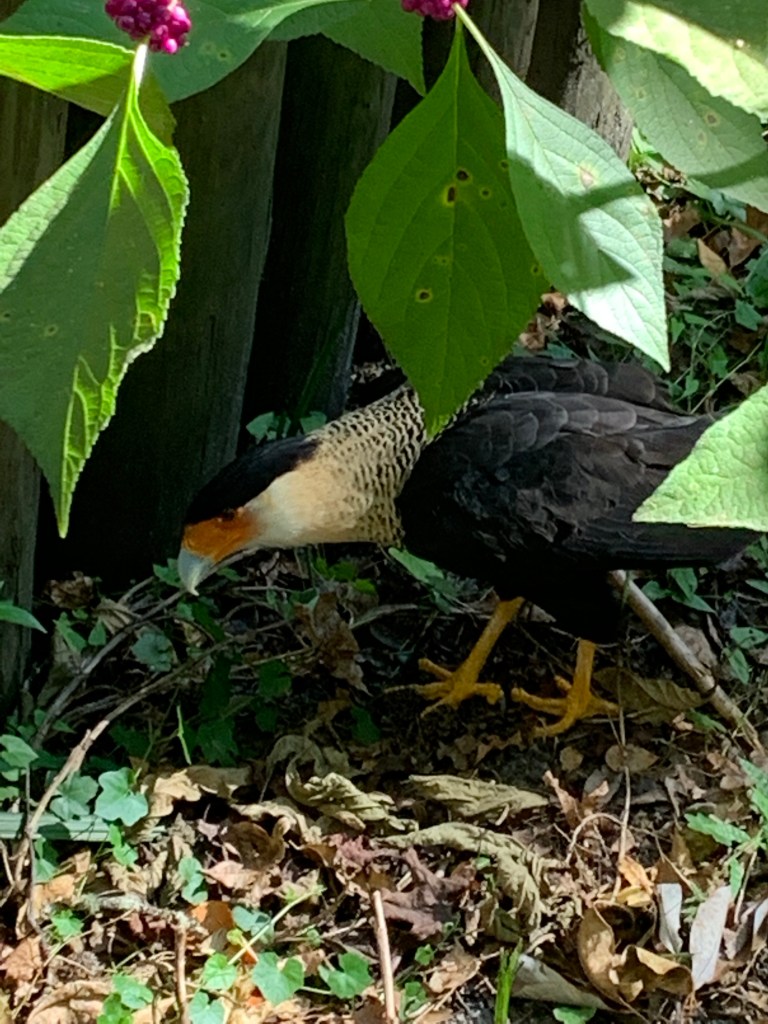


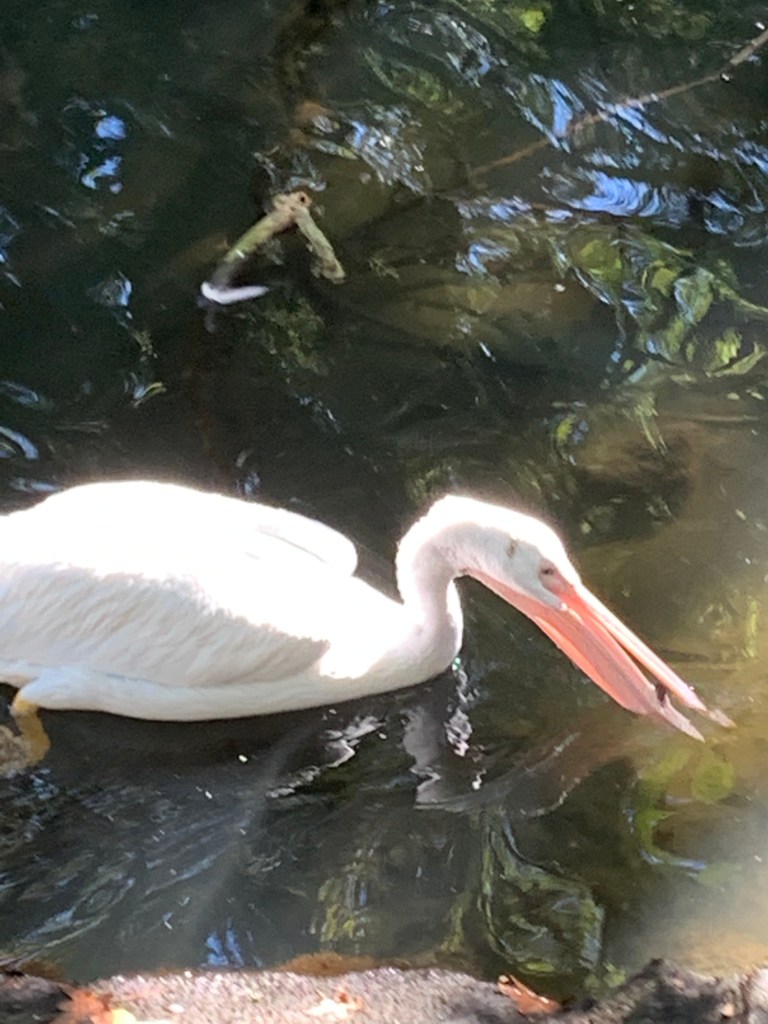
But there was one section of sidewalk that made me feel a bit like I was in an Alfred Hitchcock movie (ever see The Birds?). Perched on railings or habitat roofs, not intimidated by me at all, several eyed me closely as I inched by.


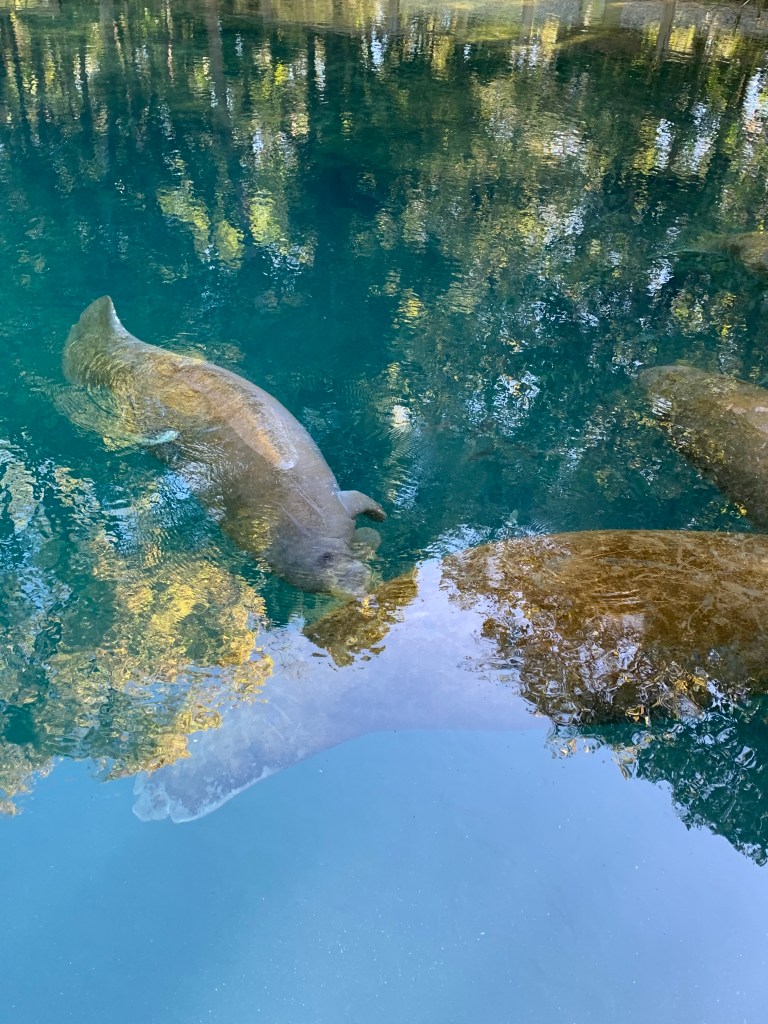
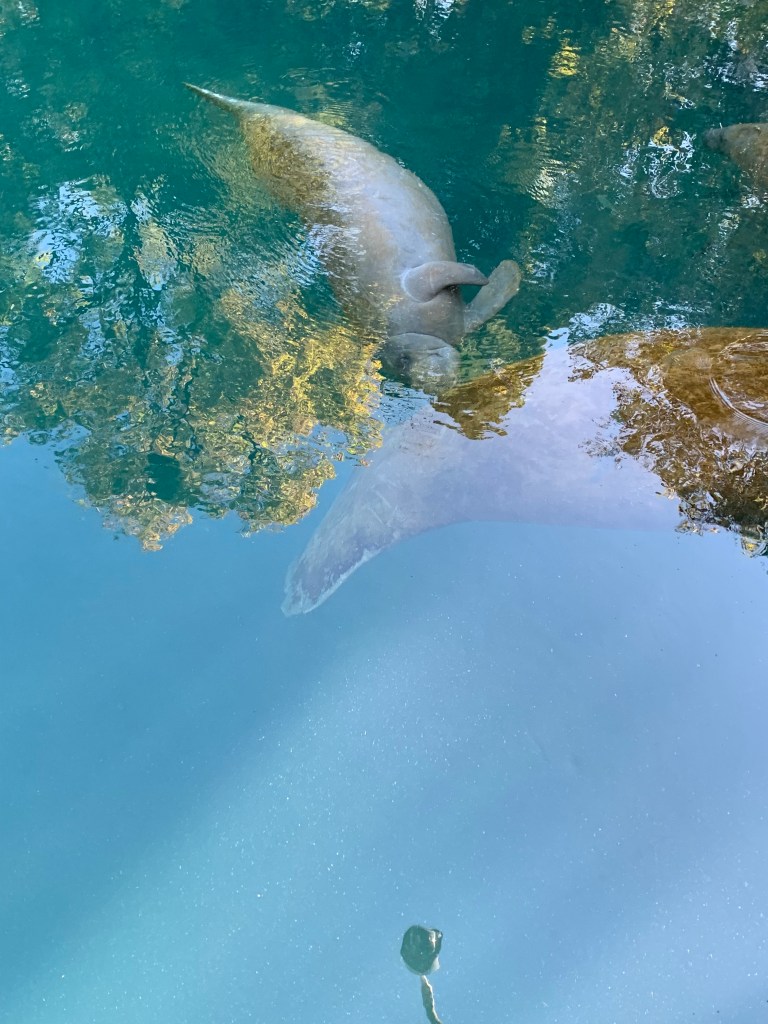
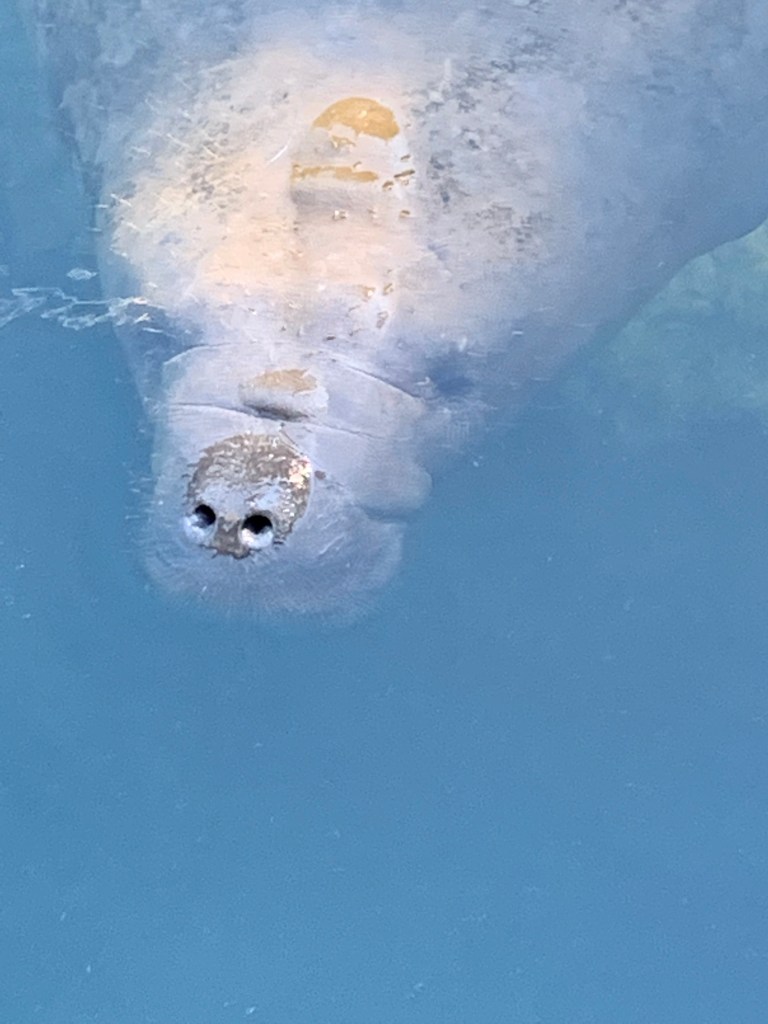
And then there are the manatees. They’re magical. I loved the baby that seemed to have recently discovered the fun of rolling over and if you stay long enough, you can watch them drift to the surface for a quick breath. Only their nostrils break the water line but big, soulful eyes peer at you just underneath. Then they sink, slow motion, back to the bottom of the spring.
9 things to know about manatees:
- In 2021, there were 1,000 deaths in Florida waters
- Manatees are starving to death, not only because of boat accidents and getting wrapped in nets, but because their preferred food – seagrass – is dying off
- They can get 9-10 feet long and average 1,000 pounds
- They are distant relatives of elephants
- Manatees can’t move their heads sideways
- They can swim upside down, move vertically and do somersaults
- Manatees can live up to 65 years in captivity but most only live to their early 20s in the wild
- They swim up to 15 miles per hour (Olympic swimmers average 8) but prefer lumbering along at about 5 MPH
- They are protected by law

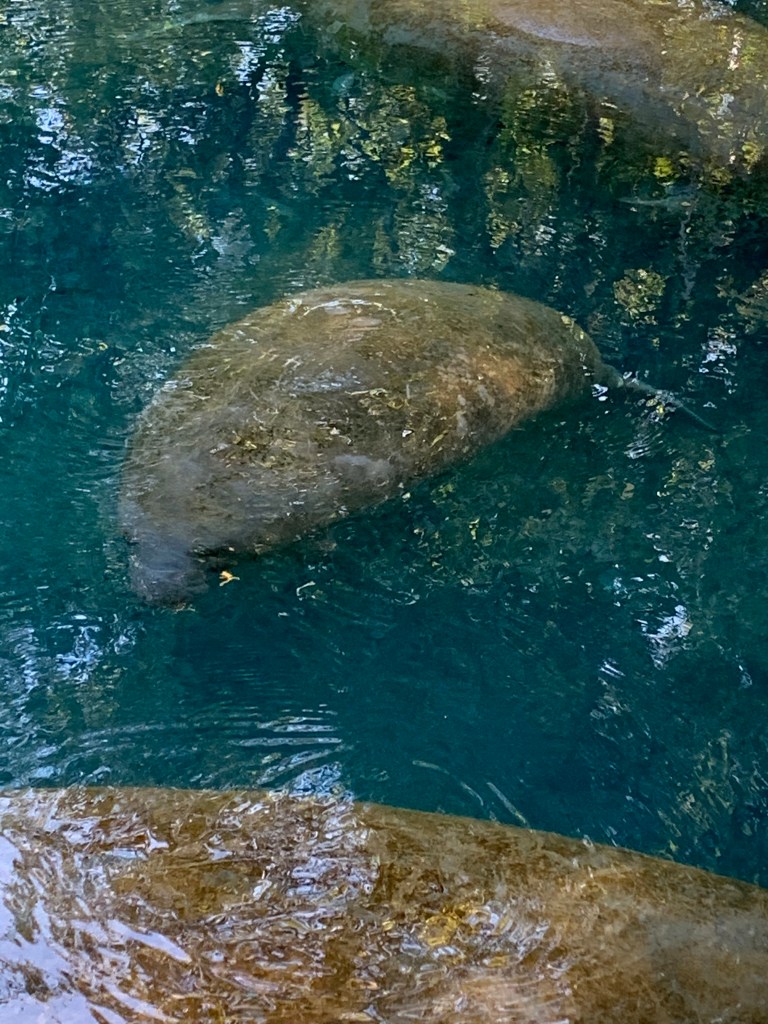
Rumor has it that, beginning in November, manatees hang out near the warm water around Florida’s power plants and many of the plants have observation areas for just that reason. Guess where I’ll be headed soon.
You’ll love Homosassa Springs. The entry fee is $13, the park is wheelchair accessible and there’s good parking across the street from the entrance.
If you want to add on a quick side trip, try Yulee Sugar Mill Ruins. I had heard it was about 2 minutes down the street from Homosassa Springs so I decided to take a look while I was there. A guide at the springs told me I’d be disappointed and he wasn’t kidding.
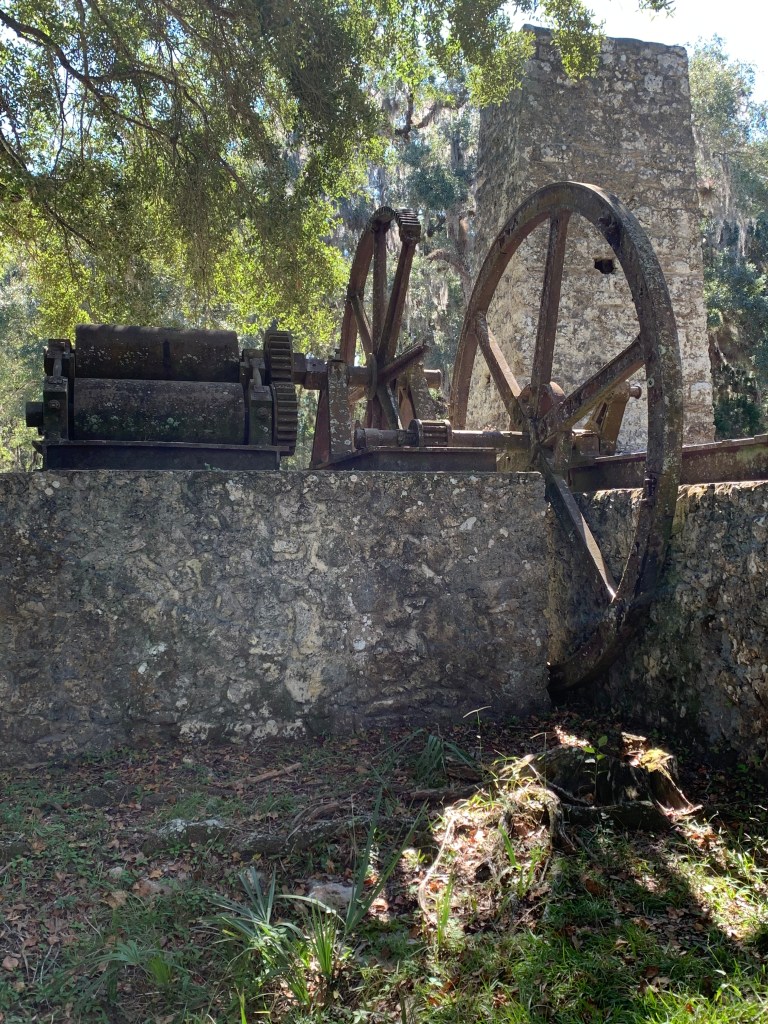
Yulee Sugar Mill has an interesting history. Originally, it was a 5,100 acre plantation owned by David Levy Yulee in the mid 1850s. Yulee (elected as Florida’s first U.S. senator in 1845), constructed the mill with slave labor. The mill was a major source of sugar for Confederate troops. But in May of 1864, Union troops conducted a raid up the Homosassa River and burned down the Yulee homestead and all the buildings containing Confederate supplies. Although the sugar mill was not damaged, it never operated again. The site is currently protected by the Florida State Park service.
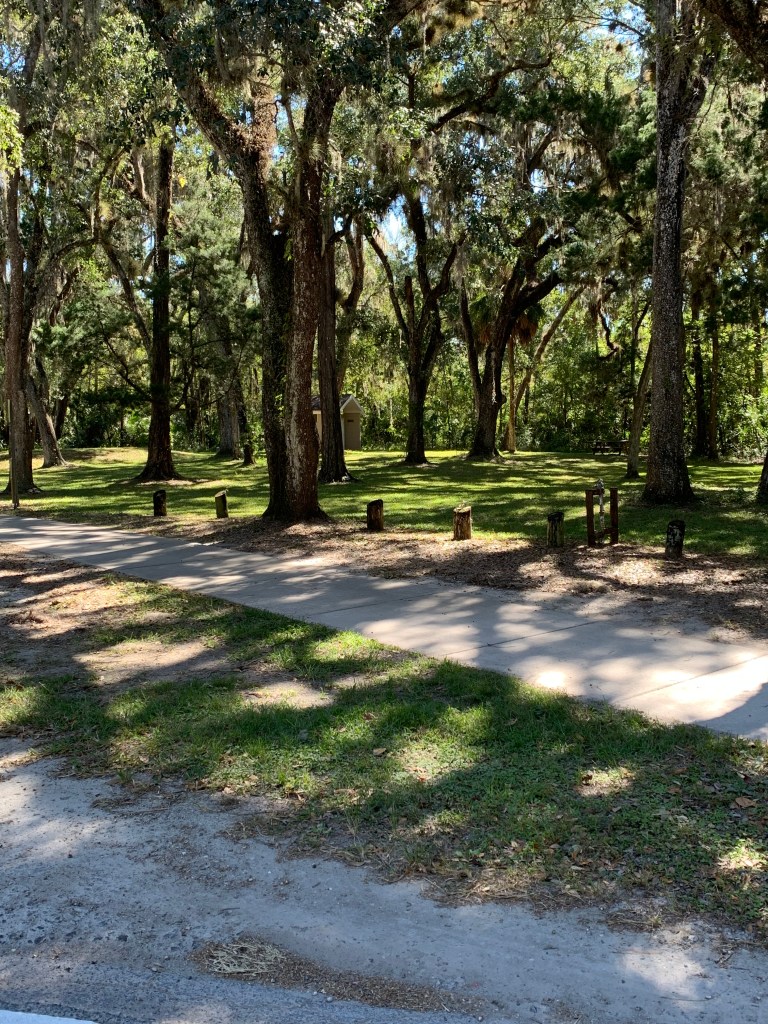
Going by the name alone – Yulee Sugar Mill Ruins Historic State Park – I somehow expected vast park grounds with interesting buildings and long winding paths. The mill structure was interesting but took all of about 2 minutes to see. The park is across the street and there’s nothing there except a nice, shady spot. I wouldn’t plan on a special trip to see the sugar mill ruins but if you couple it with Homosassa Springs, it will be just right.
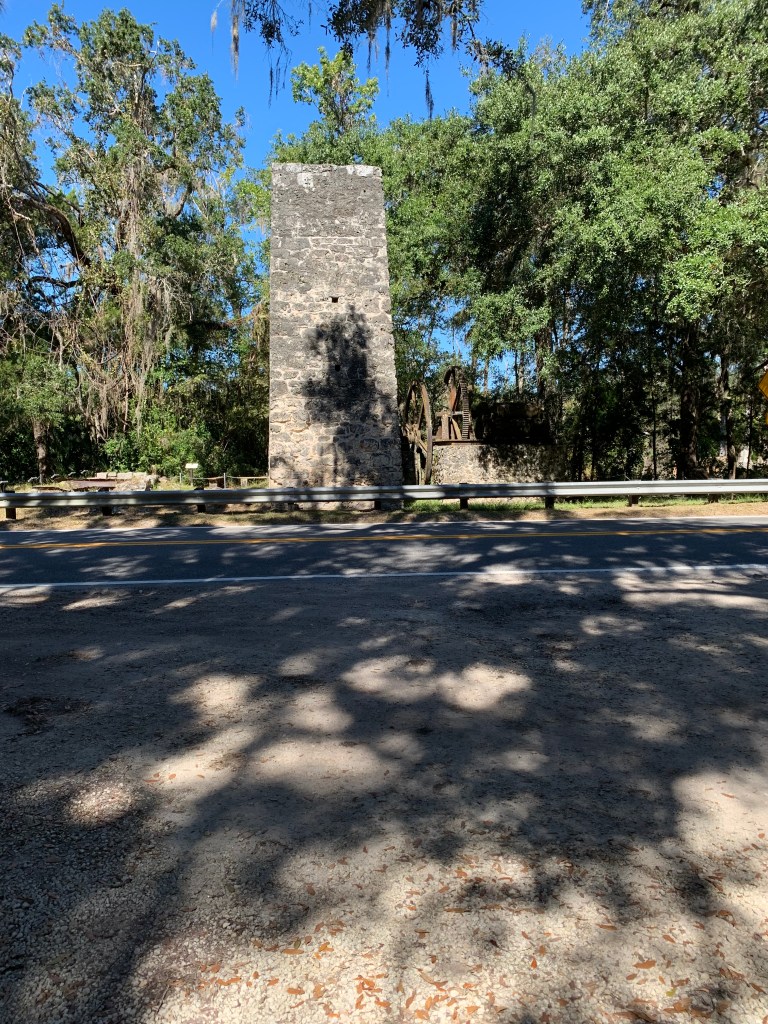
Yulee Sugar Mill Ruins is located on State Road 490 in Homosassa. There is no entry fee. If you need more information, call 352-795-3817. There is a sidewalk around the perimeter of the mill so it is wheelchair accessible.
 Lisa Browder
Leave a comment