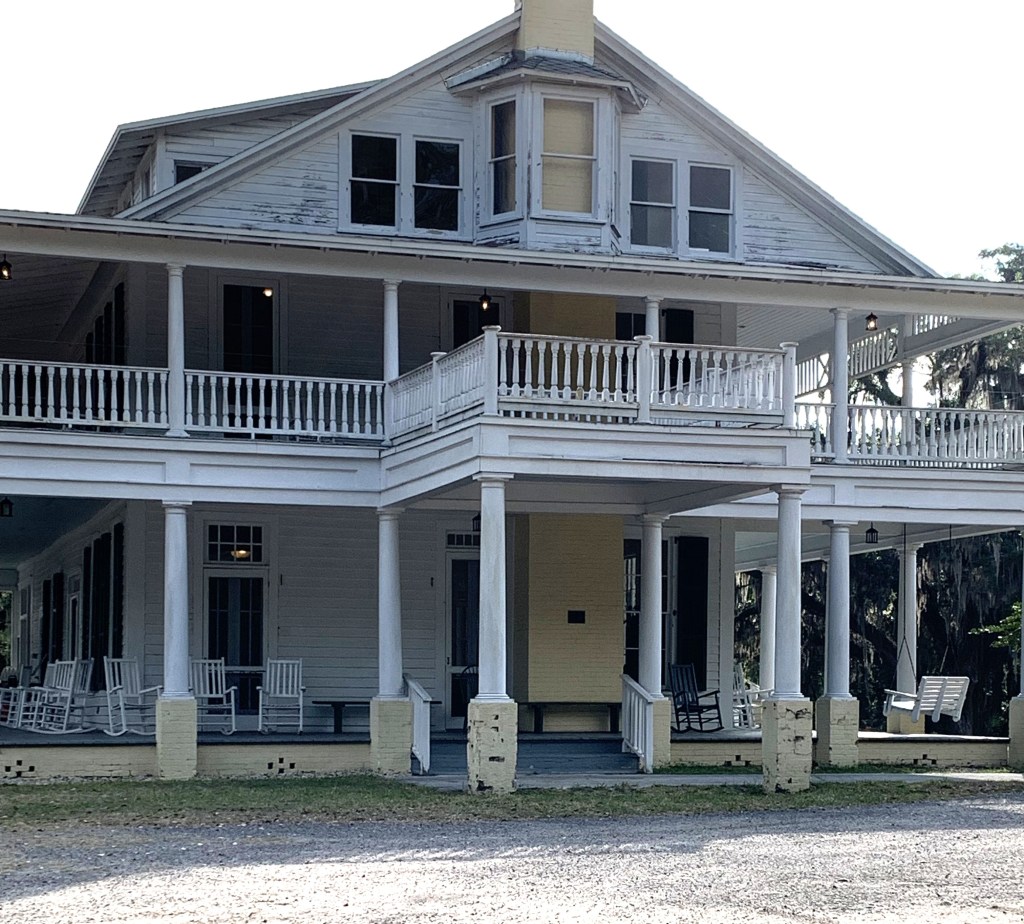
This area of Florida- Brooksville- was originally inhabited by the Seminole Indians. It’s considered the highest elevation on what is known as Florida’s Adventure Coast. Don’t assume that “highest elevation” means the top of a mountain; Chinsegut Hill Plantation sits at a whopping 269 feet.


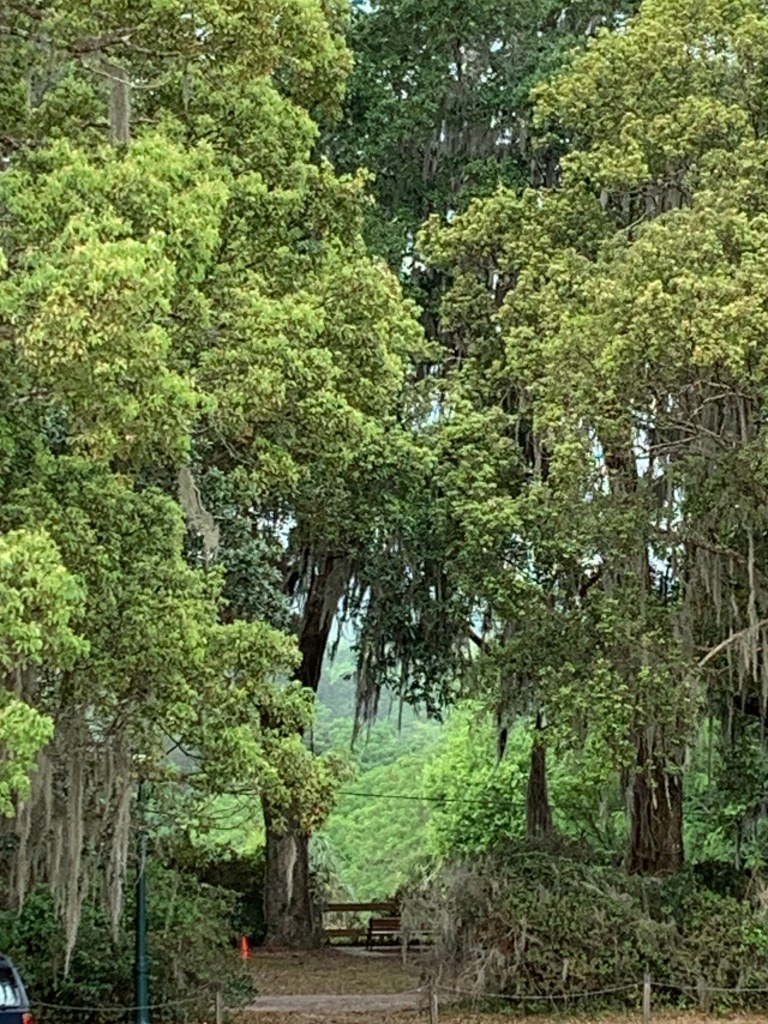
Its plantation history began in 1847 when a South Carolina lawyer named Bird Pearson (Col. Pearson after the Civil War) homesteaded the land and turned it into a sugarcane and corn plantation which he named Mount Airy. According to the tour guide, Pearson was an attorney with a dubious past who was forced to flee South Carolina. Now that makes a great story, but my research hasn’t been able to find anything to back that up. It piqued my interest because I couldn’t quite figure out how a disreputable attorney, forced out of his home state, ended up as Florida’s 11th Supreme Court Justice. Or maybe that says more about Florida politics than Col. Pearson’s character. Moving on . . .
Col. Pearson eventually sold the property to Francis Ederington (who named the property Mt. Airy). Ederington let his daughter Charlotte (who married Col. Russel Snow) take over the property and they changed its name to Snow Hill.
But then came the brother/sister duo, Elizabeth and Raymond Robins. As the story goes, when the property came up for sale, Elizabeth knew her brother would want to buy it. Unfortunately, he had headed off to Alaska to make his fortune in gold. So Elizabeth set out to track him down. She not only found him, but when they arrived back in Florida and found the property still up for sale, they purchased it. Robins named it Chinsegut, an Inuit word that translates as “spirit of lost things.” Great story, right? The guide said that somehow or other Elizabeth found her brother in an Alaskan mining town within 30 minutes of stepping off the boat. Like the story about Col. Pearson fleeing South Carolina and ending up as a Florida Supreme Court Justice, I have my doubts about the veracity of parts of that tale, but I still like it.
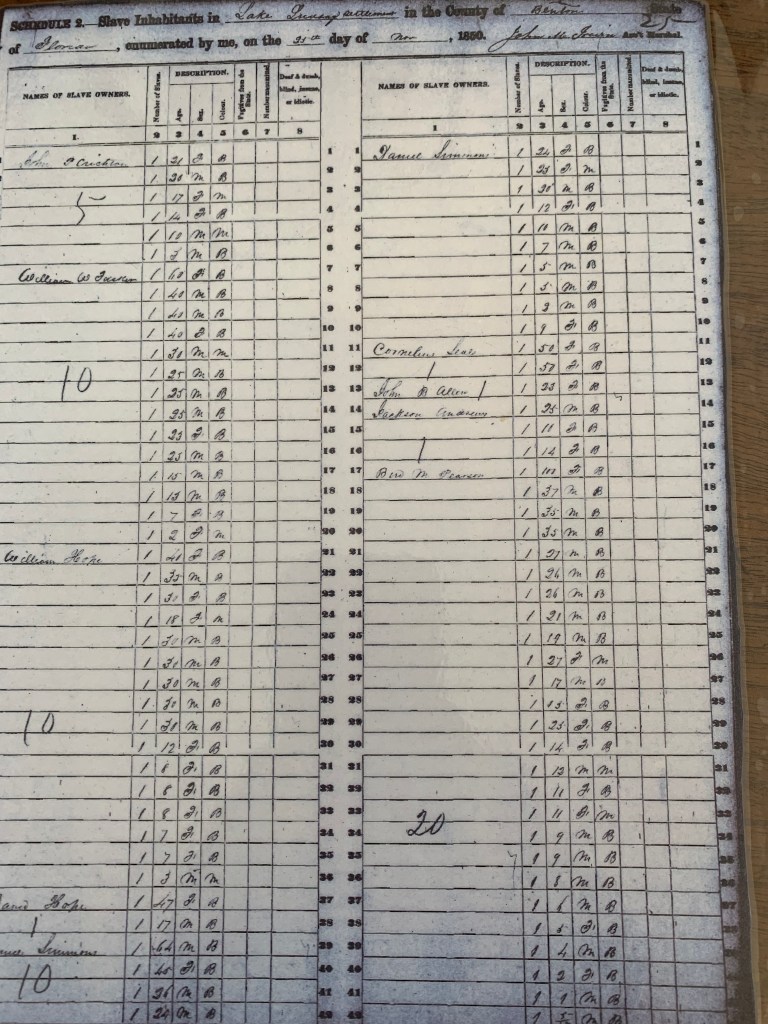
As is assumed when you hear the word “plantation,” Chinsegut’s history includes two homeowners who ran the property with slave labor. Imagine a roster that doesn’t even bother to list names; it simply says owner so-and-so had 10 slaves, or 20 slaves, or whatever the number might be.
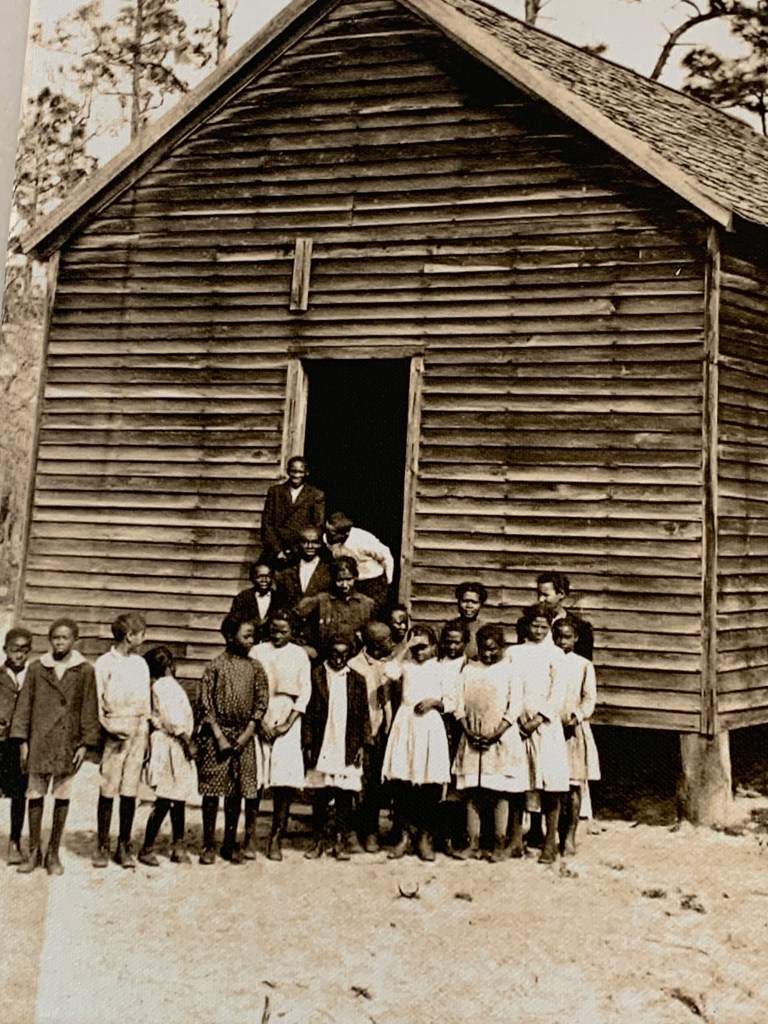

One of the best stories from the entire tour was about Elizabeth Carr Washington, known as Lizzie. Although little is known of her early years in slavery, after Emancipation she remained at Chinsegut. She was there up until her death in 1938 at the age of 90. She was apparently a feisty woman who spoke her mind, often smoked a pipe, and worked as a midwife in both the black and white communities. In her later years, having saved up enough money, she purchased a car. Although she couldn’t drive, she was determined to own it for the freedom it symbolized. Her daughter and granddaughter drove her around. I would have liked to have known her.
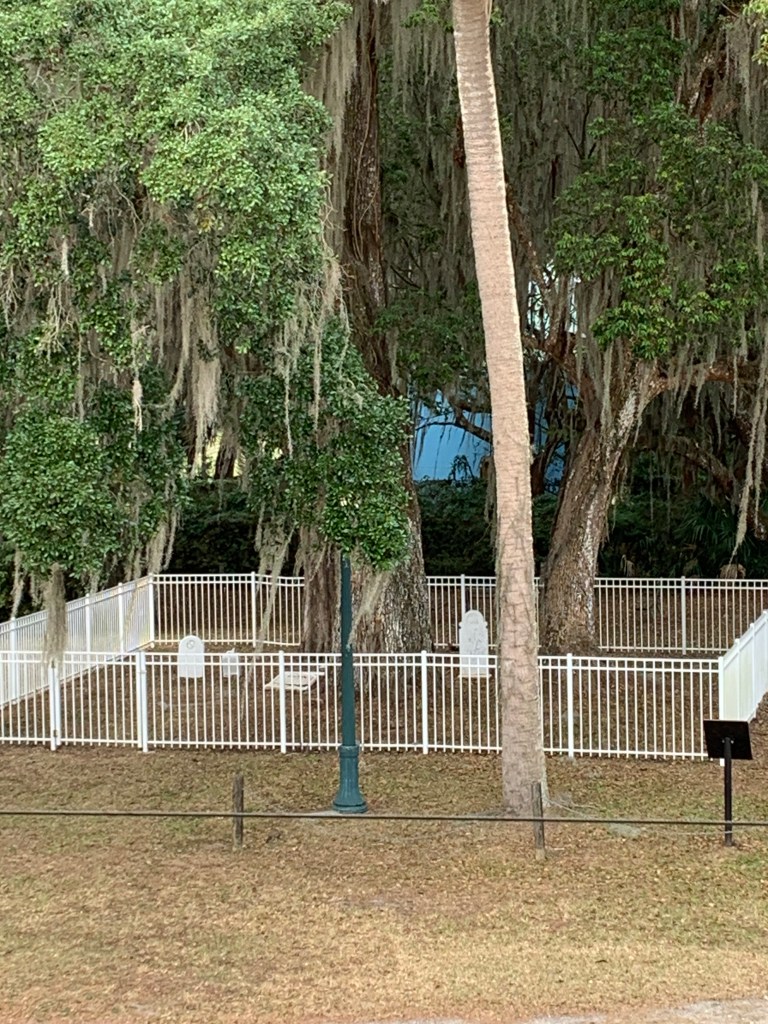
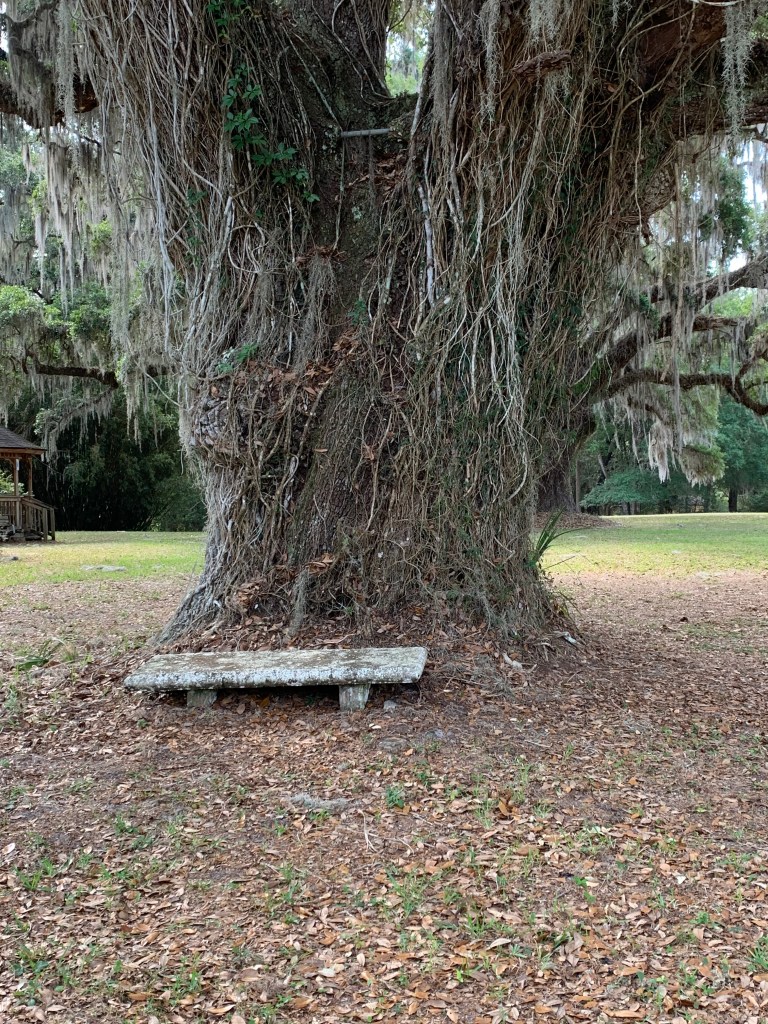
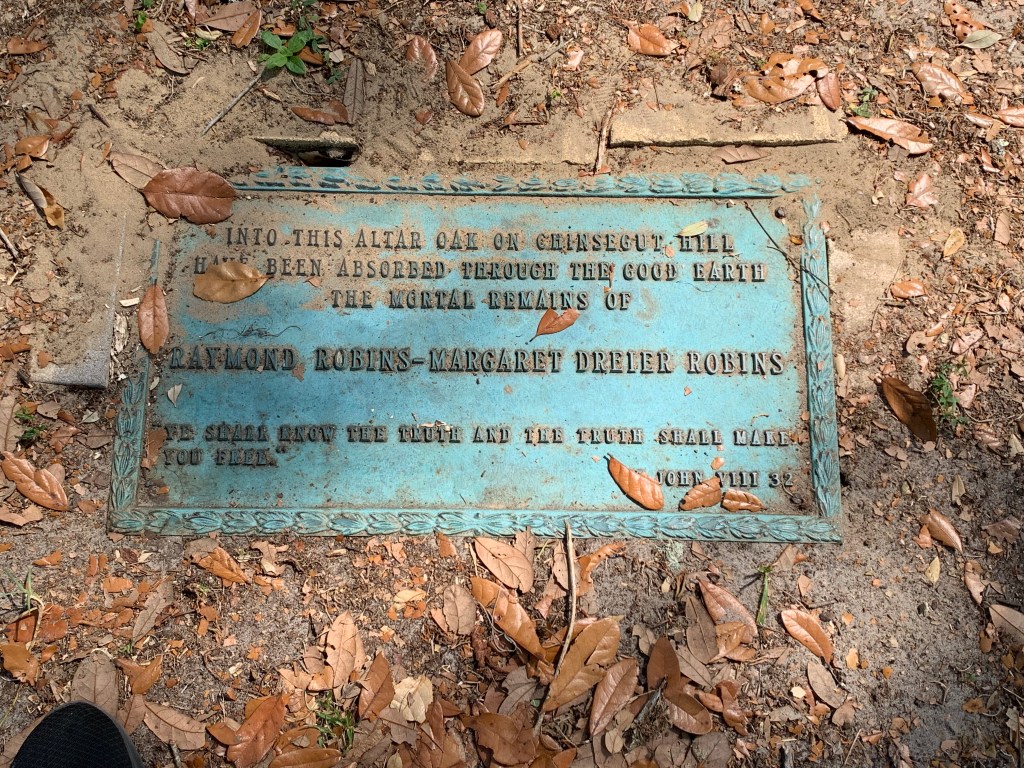
Imagine the changes Lizzie saw through the decades. She was there when the fenced-in gravesite for the Ederingtons was established. She was there when the Robins’s died and were buried under a towering oak known as the “altar tree” on the opposite side of the house by the gazebo and near the Robins’s favorite view.
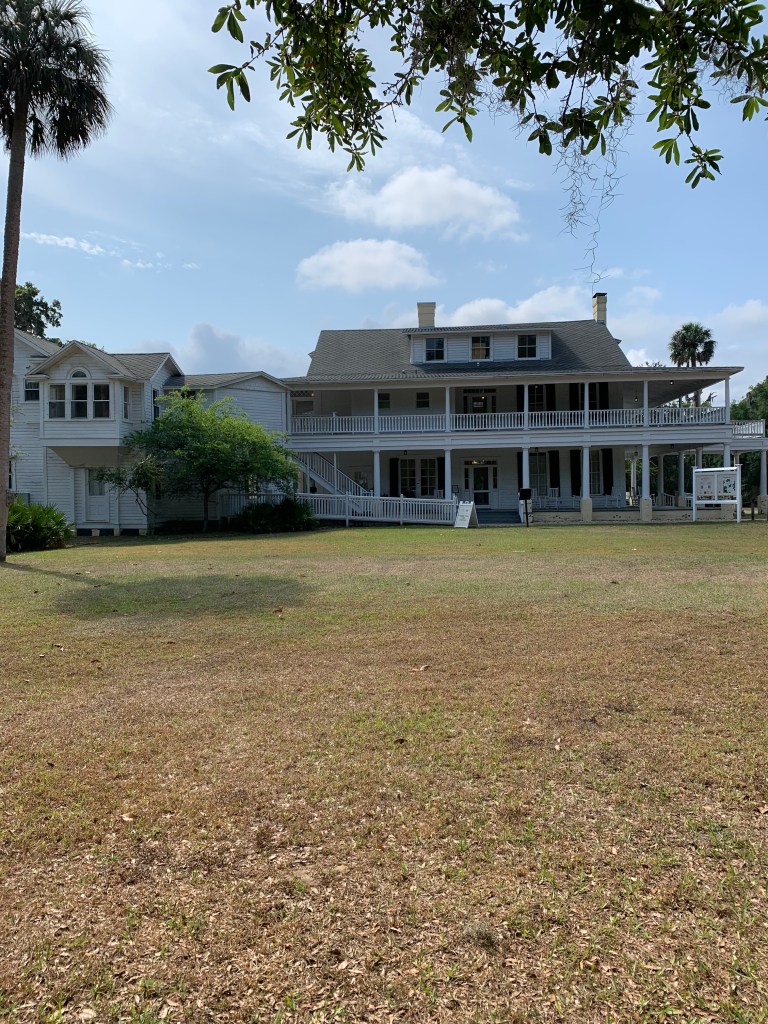



Known as political activists, Raymond Snow and his wife entertained the movers and shakers of society at Chinsegut Hill. Some of their well-known guests included Helen Keller, Thomas Edison and Marjorie Kinnan Rawlings.
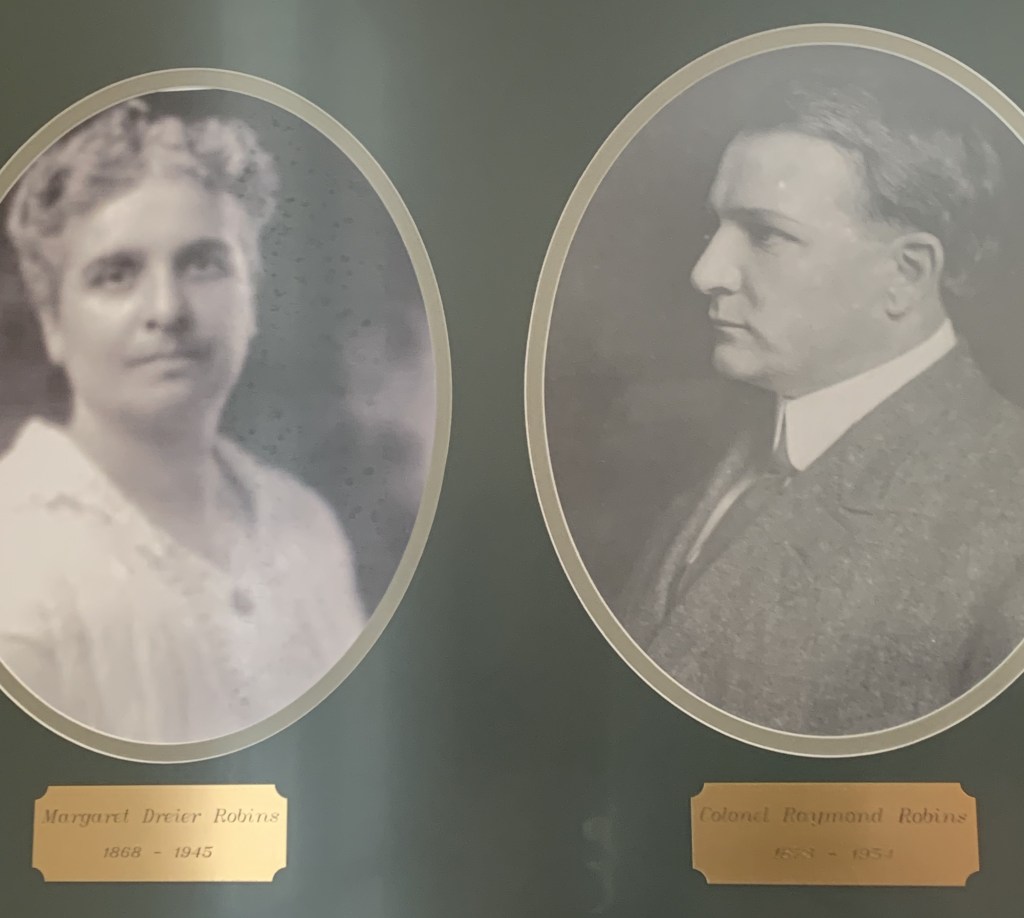
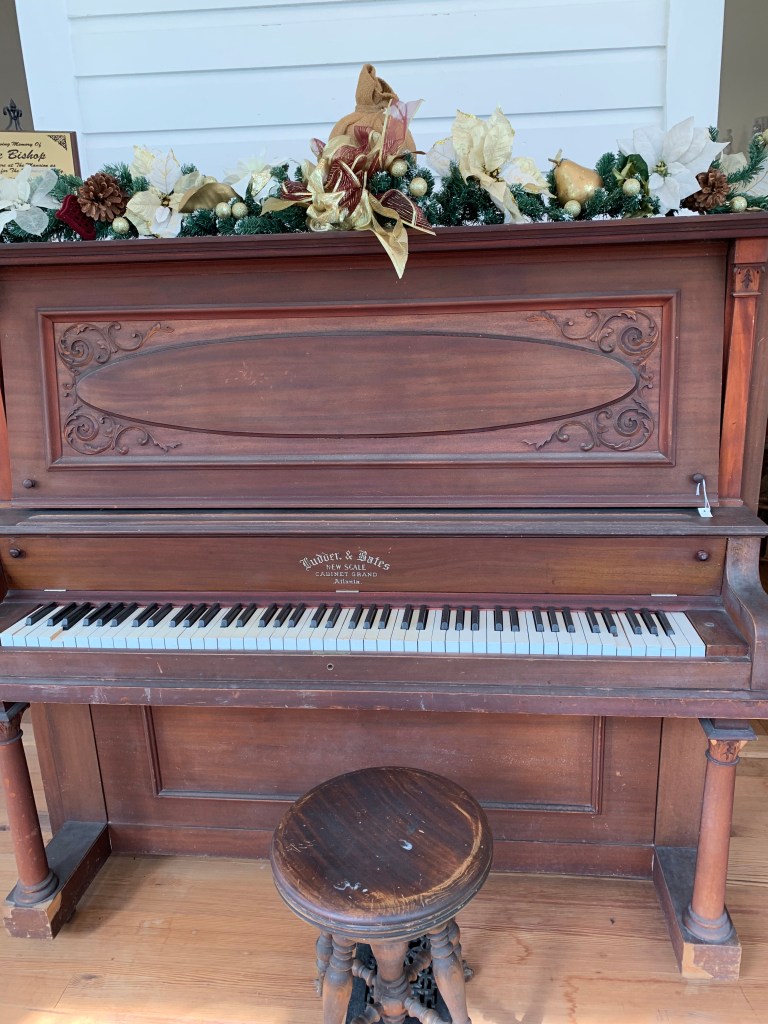
Some of the original artifacts from the property are on display and some are stored in what used to be an office. The office artifacts are being carefully catalogued. Every piece is being “tagged” for easy identification by historians.
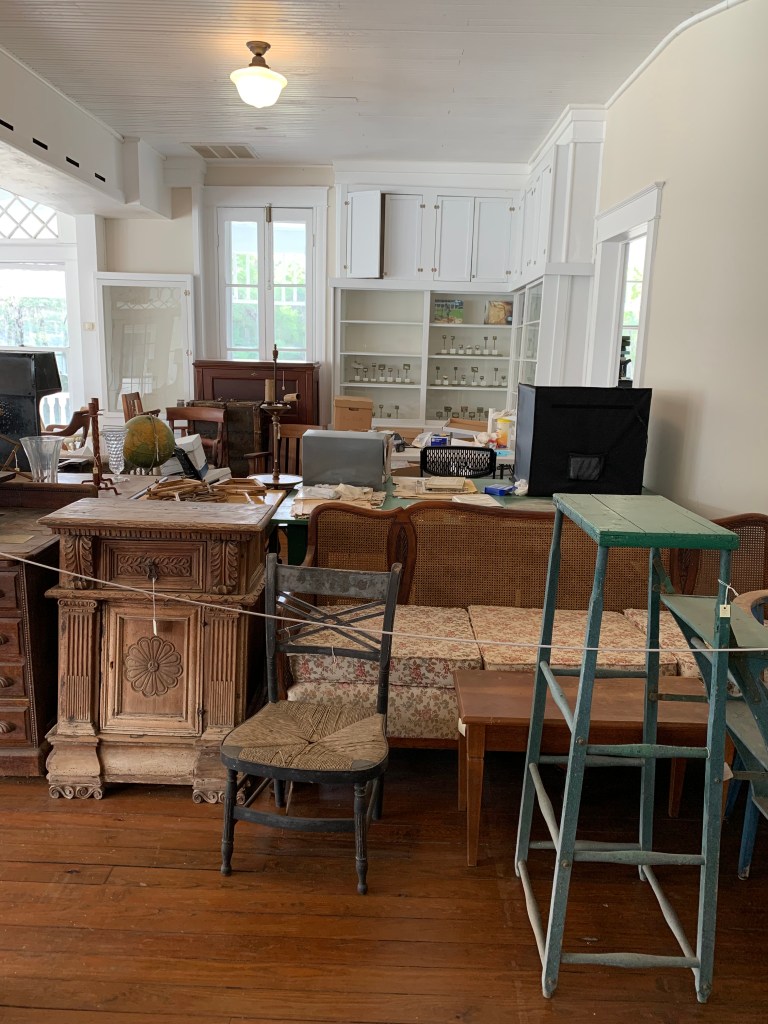
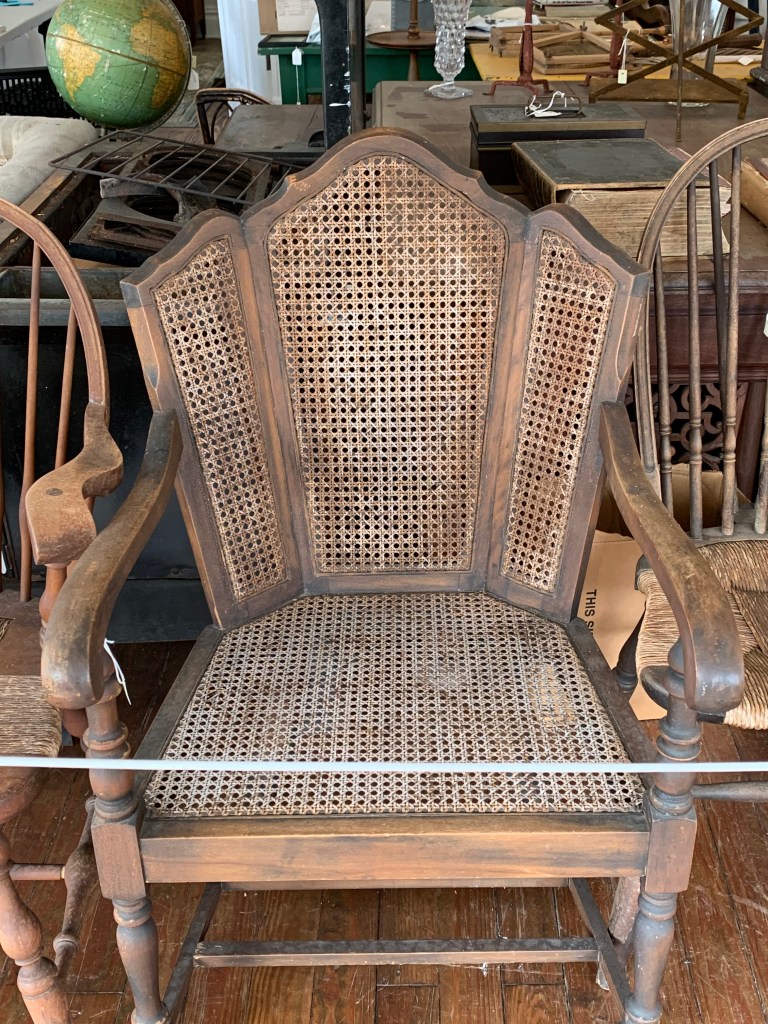

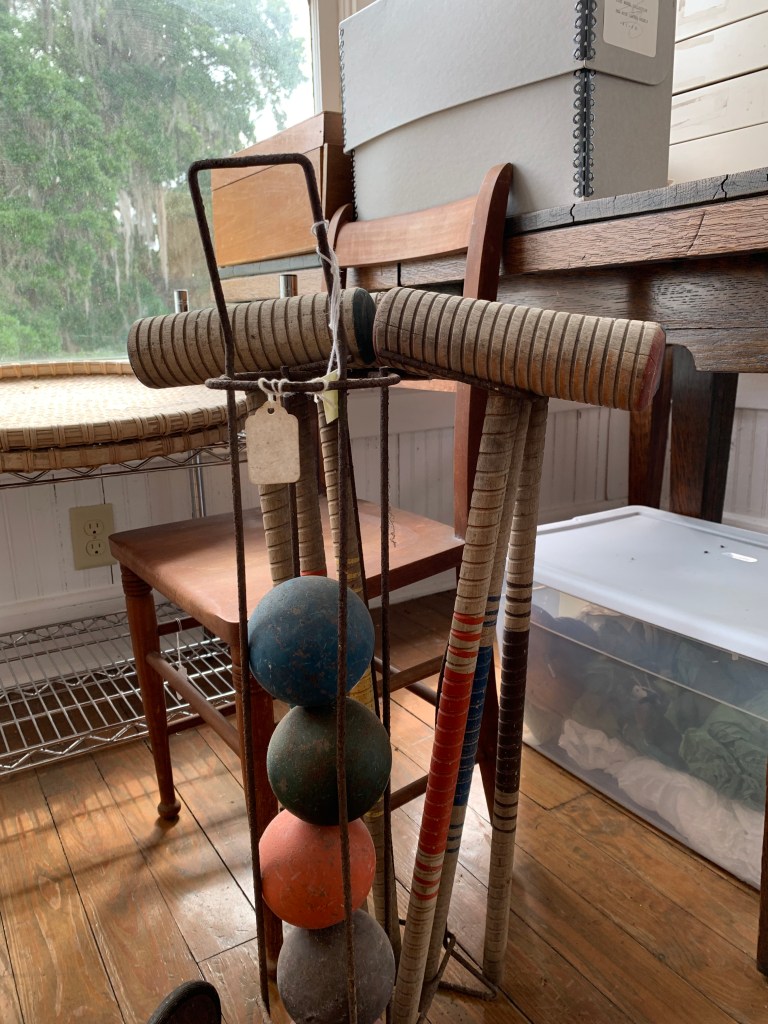

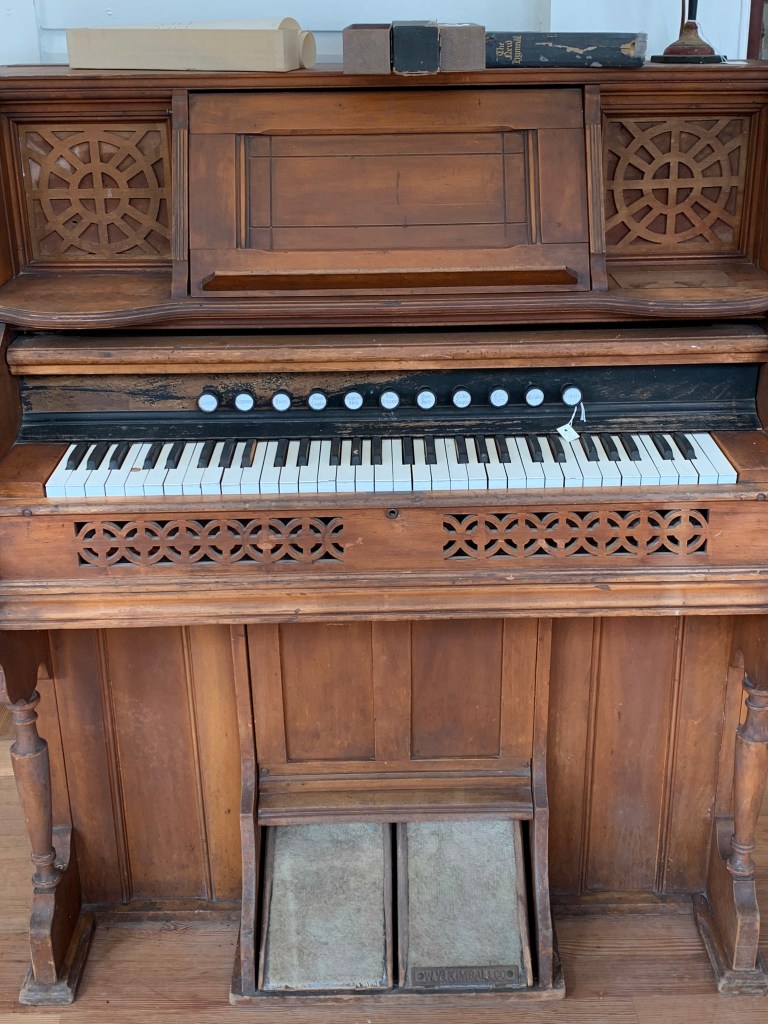
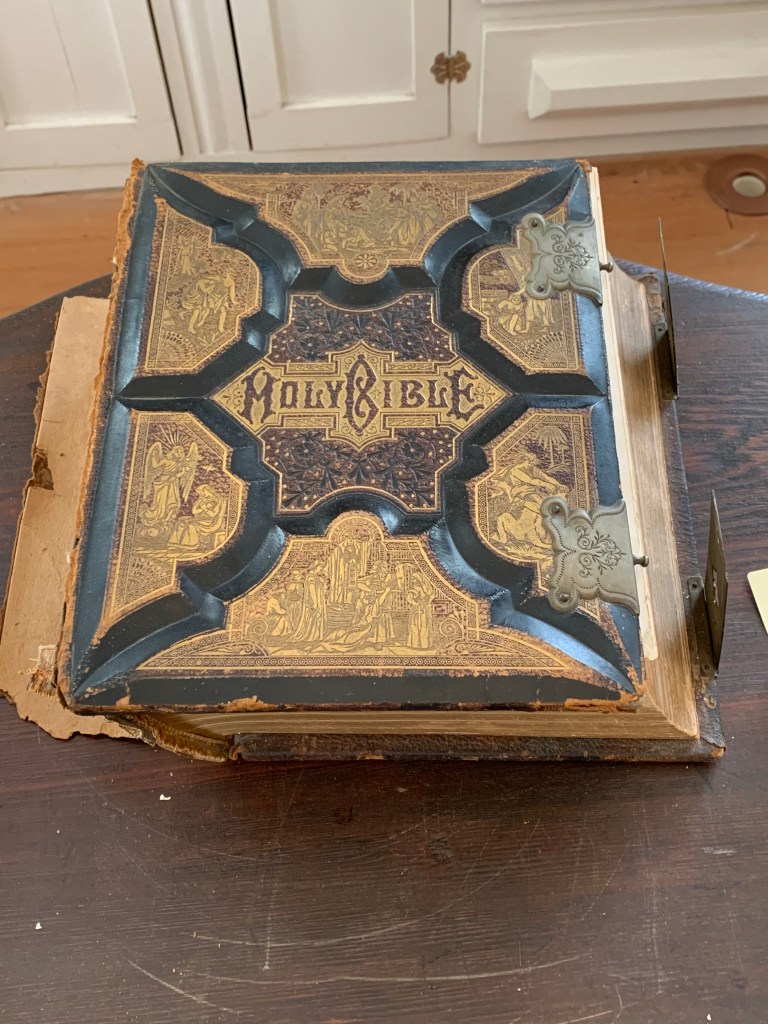
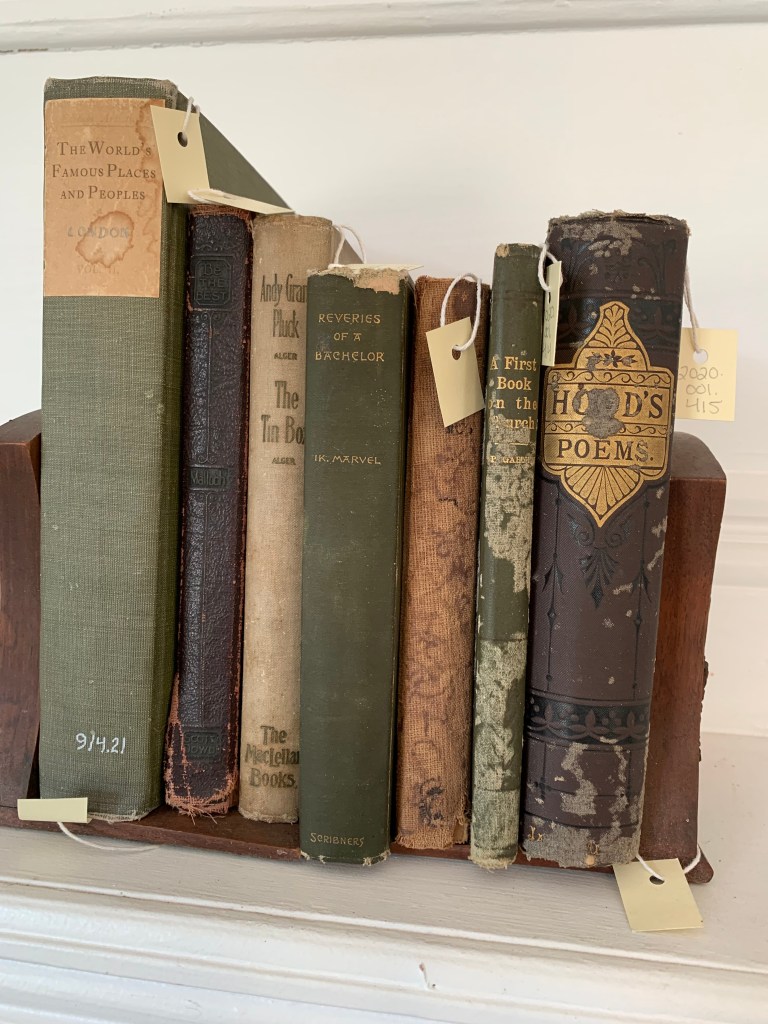
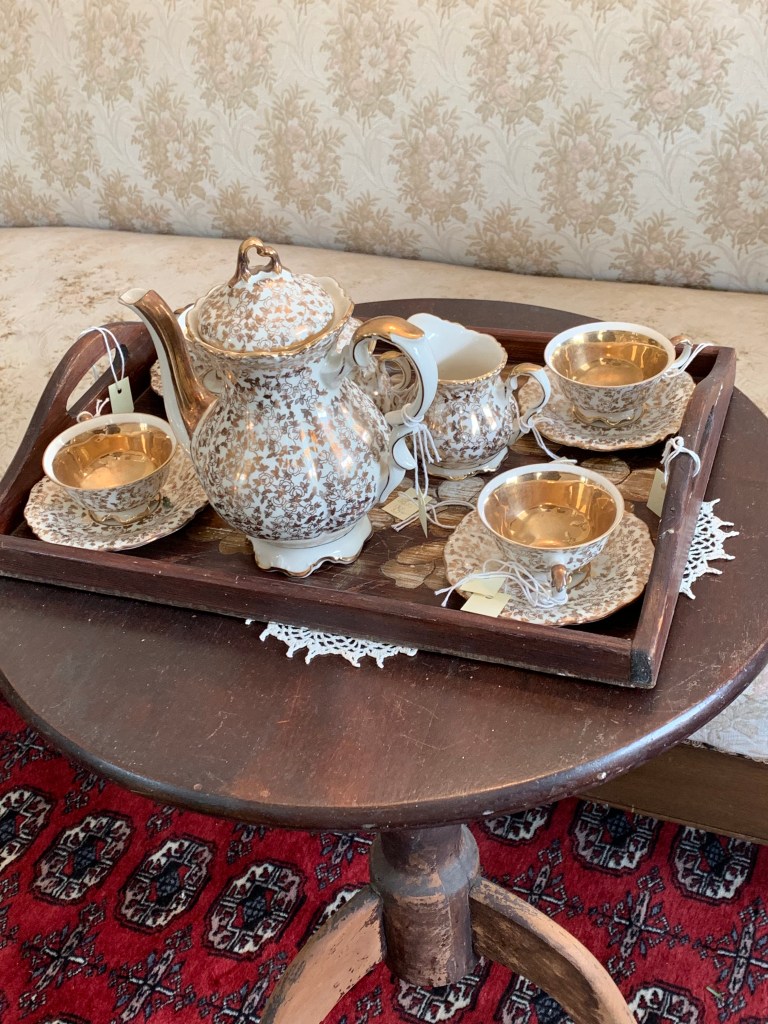


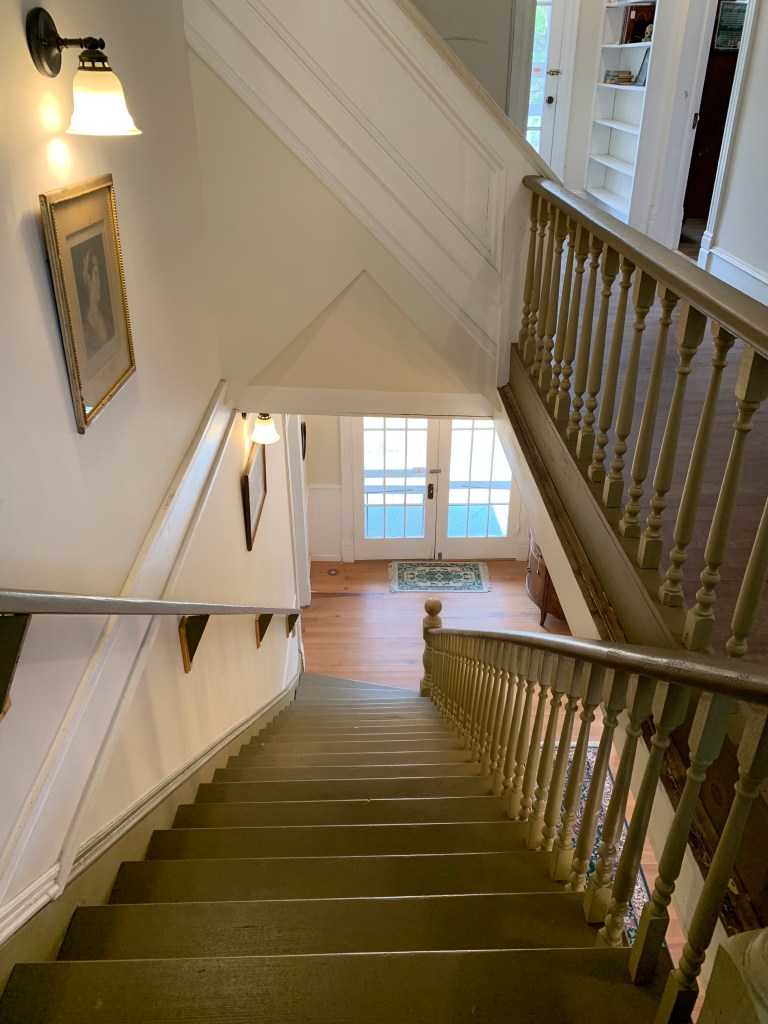
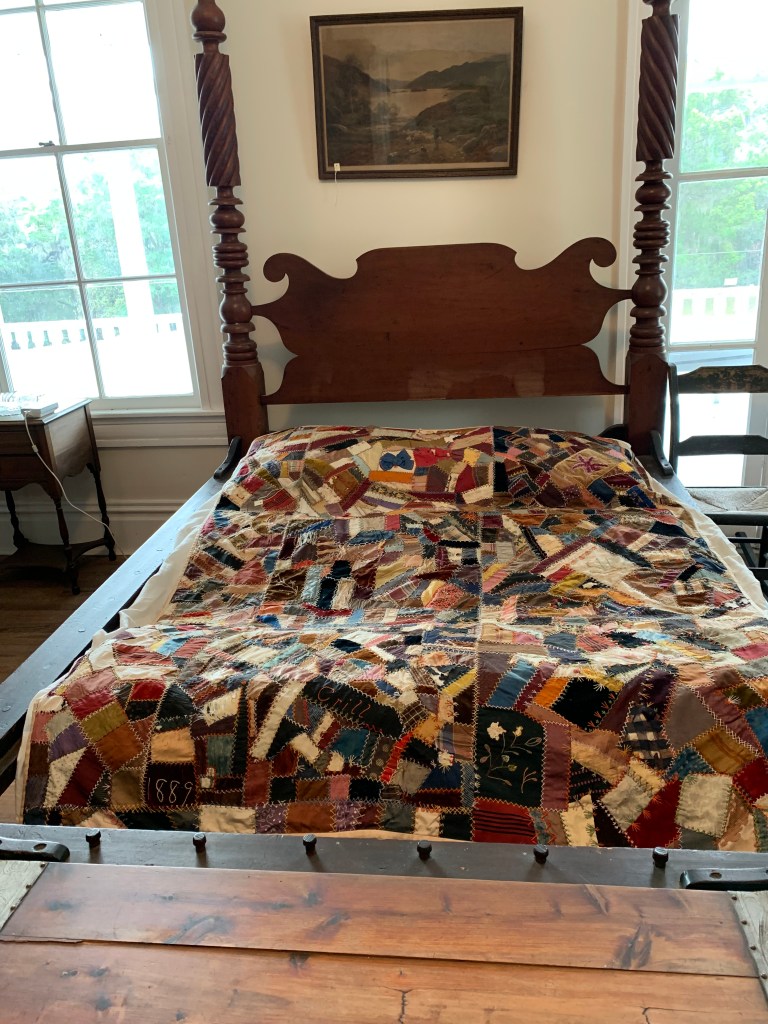
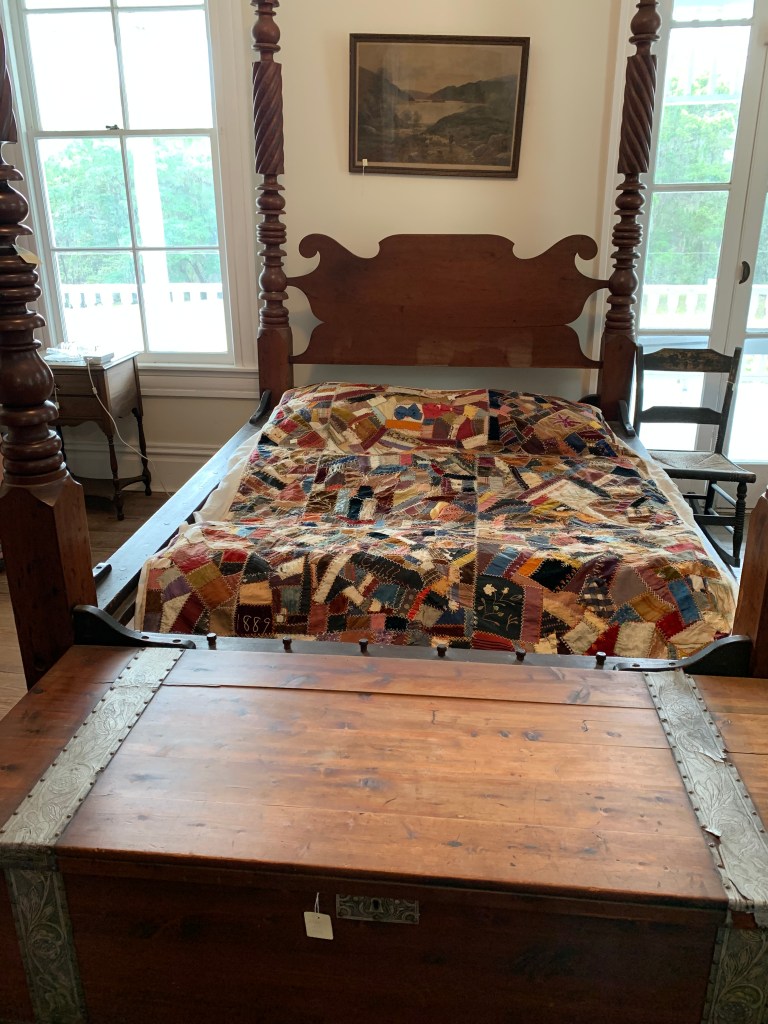
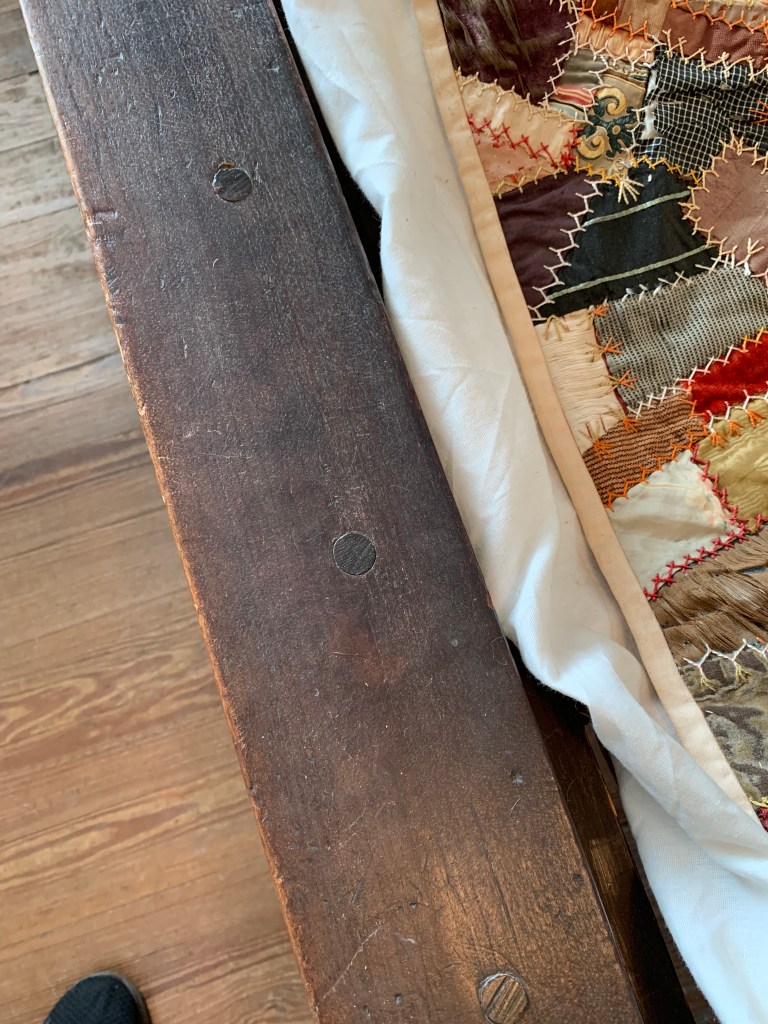
Since the interior is currently under restoration, there are rooms you can’t even enter because the floors are sagging and considered hazardous. I’m a little amazed the bedroom we walked through was considered safe because the floor clearly listed to one side (which is also evident in the slightly off-kilter photos of the bed). Even so, there were pieces I’m glad we were able to see up close – like the original pegs in the bed frame.

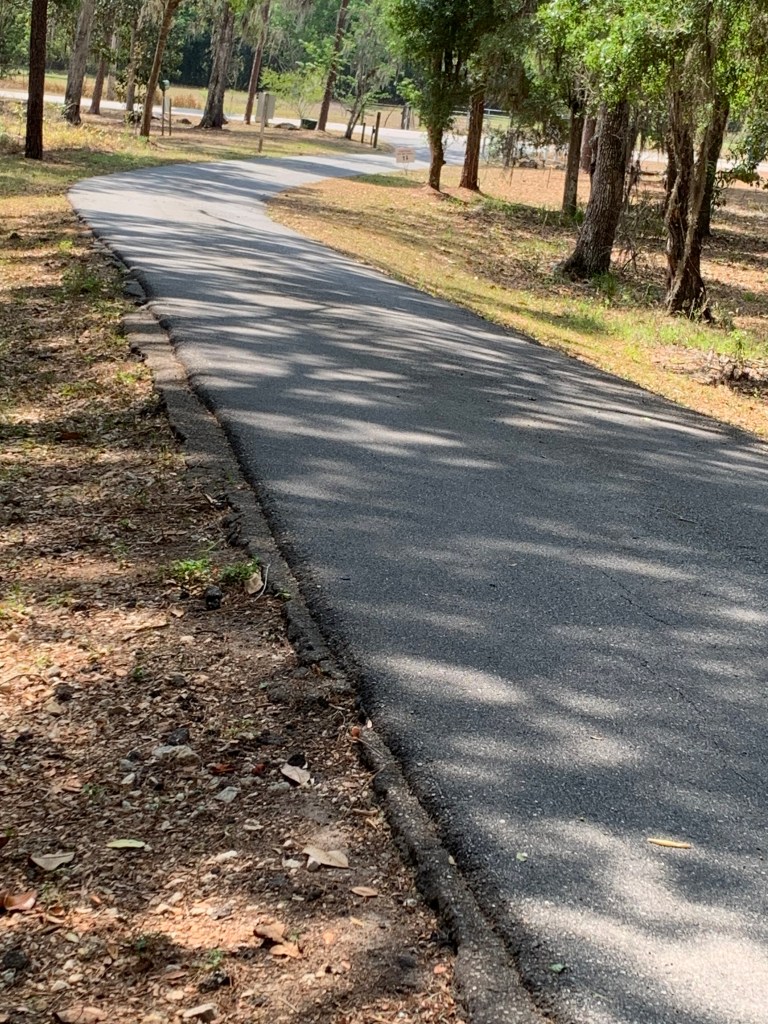
Last but not least, I was particularly amused by the sign at the bottom of the hill leading up to Chinsegut. It directed us to watch for traffic as it was a two-way driveway. You must be kidding!
Chinsegut Hill is open Saturday and Sunday from 10:00 AM – 5:00 PM with guided tours every half hour (last tour at 4:00).
22495 Chinsegut Hill Road, Brooksville, Florida
 Lisa Browder
Leave a comment